
Choosing Roofing Materials: A Smart Homeowner’s Comparison
Insured
Emergency services
Residential Roofing Material Comparison: Best Options for Smart Homeowners
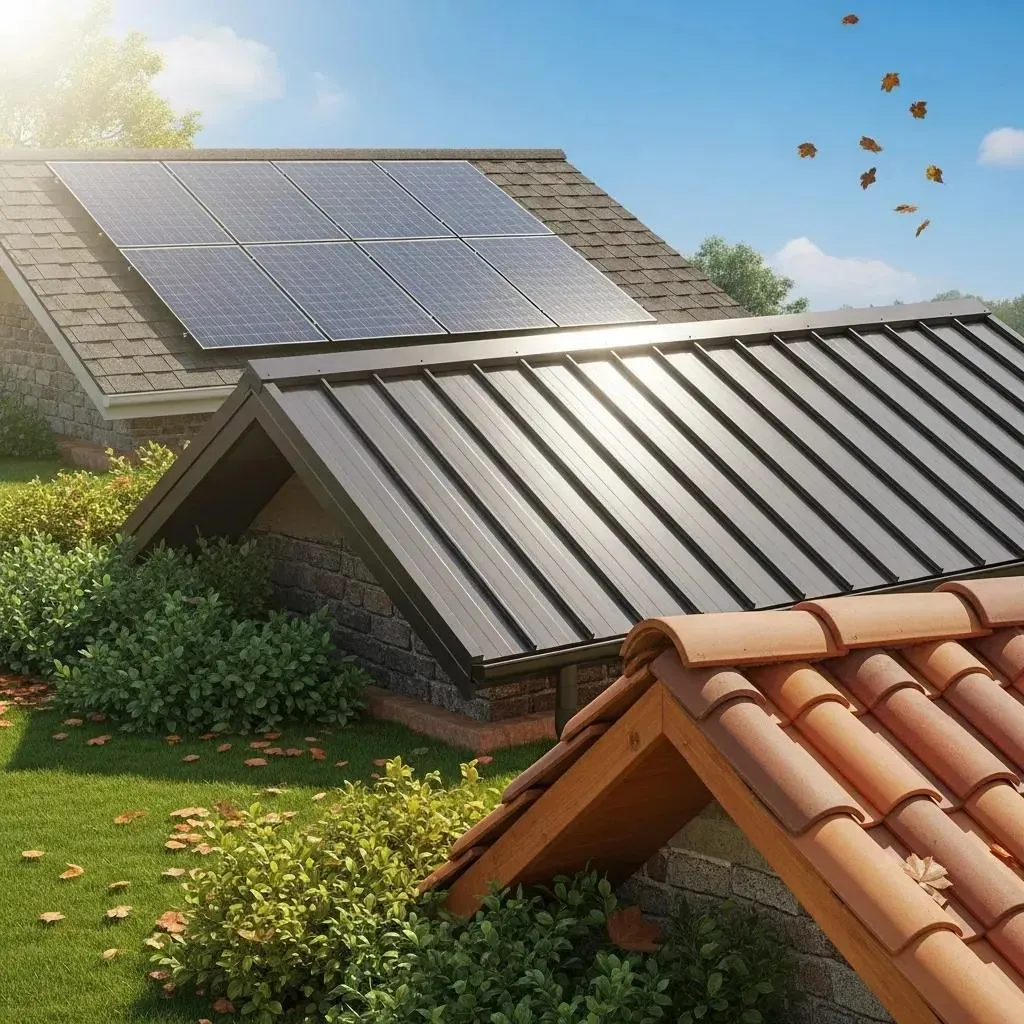
Choosing the right roofing material is a critical decision for homeowners, especially those looking to enhance their home's value and energy efficiency. This article provides a comprehensive comparison of various residential roofing materials, focusing on their benefits, costs, and longevity. Smart homeowners will learn about the top options available, including asphalt shingles, metal roofing, tile roofing, and innovative synthetic materials. Understanding these materials can help address common concerns such as durability, maintenance, and energy efficiency. We will explore the best roofing materials, their costs, expected lifespans, and what factors to consider when making a choice.
What Are the Top Residential Roofing Materials for Homes?
When it comes to residential roofing, several materials stand out for their performance and aesthetic appeal. Homeowners should consider the following top roofing materials:
- Asphalt Shingles: Known for their affordability and ease of installation, asphalt shingles are a popular choice among homeowners. They offer a good balance of durability and cost-effectiveness, making them suitable for various climates.
- Metal Roofing: This option is gaining popularity due to its longevity and energy efficiency. Metal roofs can last 40 to 70 years and are available in various styles, including standing seam and corrugated panels.
- Tile Roofing: Tile roofs are renowned for their durability and aesthetic appeal. They can withstand harsh weather conditions and provide excellent insulation, making them a great choice for energy-conscious homeowners.
- Synthetic Roofing: Innovative synthetic materials mimic the appearance of traditional roofing while offering enhanced durability and lower maintenance requirements.
Asphalt Shingles: Benefits and Durability Overview
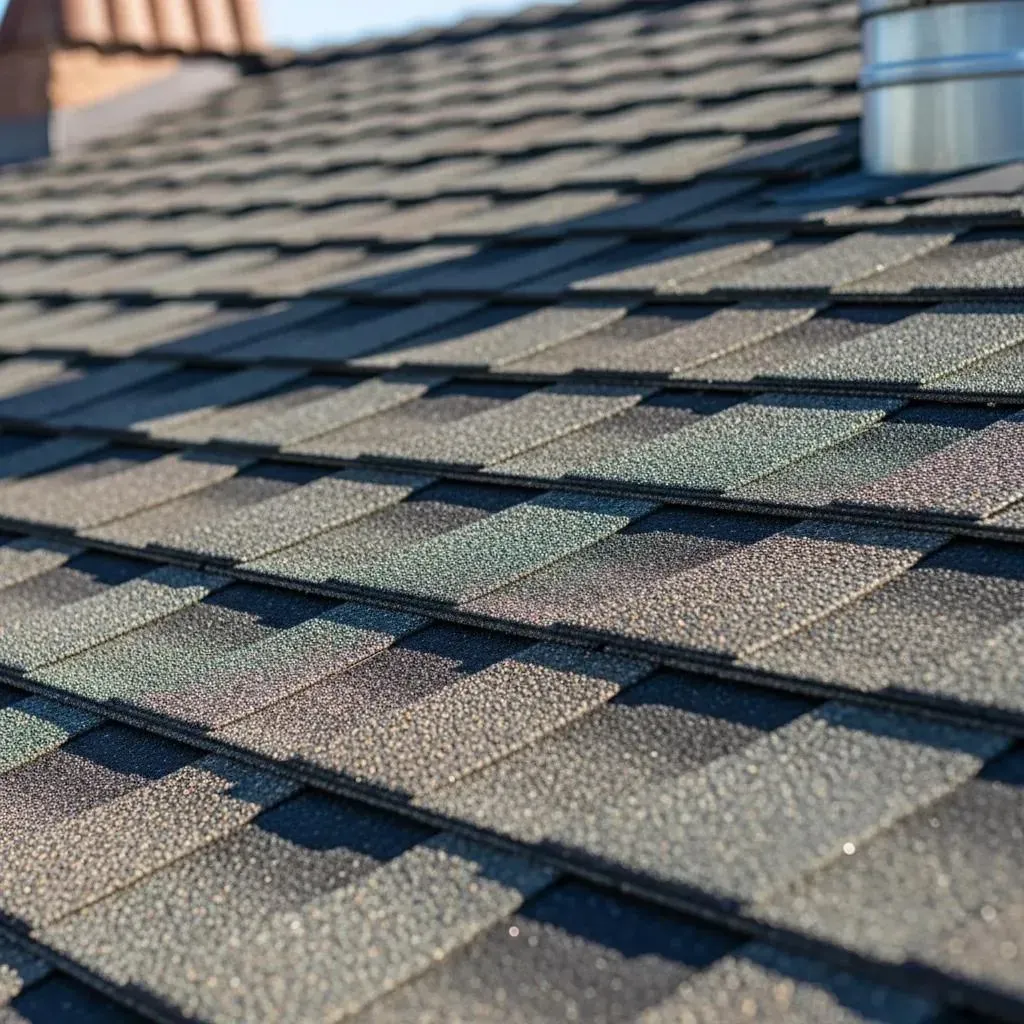
Asphalt shingles are one of the most widely used roofing materials in North America. They are cost-effective, with prices typically ranging from $100 to $150 per square (100 square feet). Their lifespan averages around 20 to 30 years, depending on the quality and installation. Maintenance is relatively simple, requiring periodic inspections and cleaning to prevent moss and algae growth. Homeowners appreciate their variety of colors and styles, allowing for customization to match their home's exterior.
Metal Roofing: Types and Energy Efficiency Features
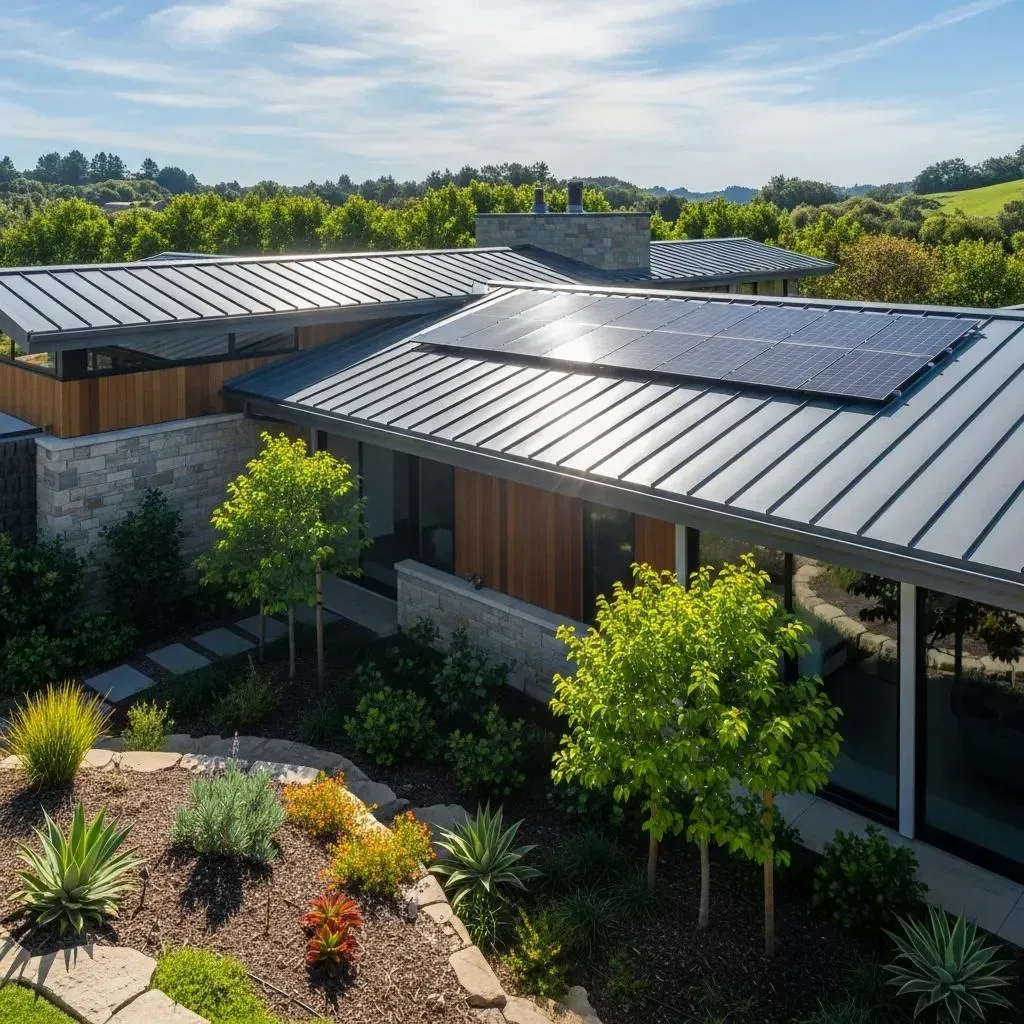
Metal roofing is an excellent choice for homeowners looking for durability and energy efficiency. Available in various types, including aluminum, steel, and copper, metal roofs can reflect solar heat, reducing cooling costs in warmer climates. The lifespan of metal roofing typically ranges from 40 to 70 years, making it a long-term investment. Additionally, many metal roofing options are made from recycled materials, contributing to environmental sustainability.
How Do Roofing Materials Compare in Cost and Lifespan?
Understanding the costs and expected lifespans of different roofing materials is essential for homeowners making informed decisions. Below is a comparison of popular roofing materials based on their costs and longevity.
| Roofing Material | Average Cost per Square | Expected Lifespan |
|---|---|---|
| Asphalt Shingles | $100 - $150 | 20 - 30 years |
| Metal Roofing | $150 - $350 | 40 - 70 years |
| Tile Roofing | $300 - $600 | 50 - 100 years |
| Synthetic Roofing | $250 - $500 | 30 - 50 years |
Cost Analysis of Popular Roofing Materials in NJ, PA, and CT
In regions like New Jersey, Pennsylvania, and Connecticut, the cost of roofing materials can vary significantly. Asphalt shingles remain the most affordable option, while metal and tile roofing can be more expensive but offer longer lifespans and better energy efficiency. Homeowners should consider both initial costs and long-term savings when selecting roofing materials.
Expected Lifespan and Maintenance Requirements
The expected lifespan of roofing materials is a crucial factor in the decision-making process. Asphalt shingles typically require replacement every 20 to 30 years, while metal roofs can last 40 to 70 years with minimal maintenance. Tile roofs, although more expensive, can last 50 to 100 years, making them a worthwhile investment for long-term homeowners. Regular maintenance, such as inspections and cleaning, can extend the life of any roofing material.
Which Roofing Materials Offer the Best Energy Efficiency and Environmental Impact?
Energy efficiency is a significant consideration for modern homeowners. Many roofing materials now offer features that enhance energy savings and reduce environmental impact.
- Energy Efficient Roofing Options for Residential Properties: Metal roofing and certain types of asphalt shingles are designed to reflect sunlight, reducing heat absorption and lowering cooling costs. Homeowners can save significantly on energy bills by choosing reflective roofing materials.
- Sustainable and Innovative Synthetic Roofing Materials: Synthetic roofing options are often made from recycled materials and can be designed to mimic the look of traditional roofing while providing superior durability and energy efficiency.
Energy Efficient Roofing Options for Residential Properties
Energy-efficient roofing materials can significantly reduce a home's energy consumption. Metal roofs, for instance, can reflect solar radiation, leading to lower cooling costs during hot months. Additionally, some asphalt shingles are now manufactured with reflective granules that enhance their energy efficiency.
Further emphasizing the potential for asphalt shingles to contribute to energy savings, research highlights the development of 'cool' options.
Cool Asphalt Shingles: Energy Savings & Cost-Effectiveness
As the least expensive category of high-slope roofing in the U.S., shingles are found on the roofs of about 80% of U.S. homes, and constitute about 80% (by product area) of this market. Shingles are also among the least reflective high-slope roofing products, with few cool options on the market. The widespread use of cool roofs in the two warmest U.S. climate zones could reduce annual residential cooling energy use in these zones by over 7%. This project targets the development of high-performance cool shingles with initial solar reflectance at least 0.40 and a cost premium not exceeding US$0.50/ft².
Next-generation factory-produced cool asphalt shingles: Phase 1 final report, RM Levinson, 2016
Sustainable and Innovative Synthetic Roofing Materials
Synthetic roofing materials are becoming increasingly popular due to their sustainability and performance. These materials often incorporate recycled content and are designed to last longer than traditional options, reducing waste. Homeowners can enjoy the aesthetic appeal of traditional roofing while benefiting from the durability and low maintenance of synthetic materials.
What Should Smart Homeowners Consider When Choosing Roofing Materials?
When selecting roofing materials, smart homeowners should consider several factors to ensure they make the best choice for their needs.
- Regional Suitability and Installation Considerations: Different roofing materials perform better in specific climates. For example, tile roofing is ideal for hot climates, while metal roofing is suitable for areas with heavy snowfall.
- Warranty, Maintenance Tips, and Long-Term Value: Understanding the warranty and maintenance requirements of roofing materials is essential. Homeowners should look for materials that offer long warranties and require minimal upkeep to maximize their investment.
Regional Suitability and Installation Considerations
The climate and environment of a homeowner's location play a crucial role in determining the best roofing material. For instance, areas prone to heavy rainfall may benefit from metal or tile roofing, which can withstand harsh weather conditions. Additionally, installation practices can vary based on the material, so homeowners should consult with professionals to ensure proper installation.
Warranty, Maintenance Tips, and Long-Term Value
Warranties can vary significantly between roofing materials, with some offering limited coverage while others provide extensive protection. Homeowners should carefully review warranty details and consider the long-term value of their investment. Regular maintenance, such as cleaning gutters and inspecting for damage, can help extend the life of the roof and protect the homeowner's investment.
For those seeking expert guidance on roofing solutions, Certified Roofing Solutions Inc. serves as a valuable resource. With a focus on residential roofing solutions, they provide insights into the best materials and practices for homeowners in New Jersey, Pennsylvania, and Connecticut.
For homeowners in New Jersey, Pennsylvania, and Connecticut looking for reliable residential roofing installation, Certified Roofing Solutions Inc. offers expert services.