
Essential Factors for Choosing Your Home's Roofing Material
Insured
Emergency services
Key Factors to Consider When Choosing the Best Roofing Material for Your Home
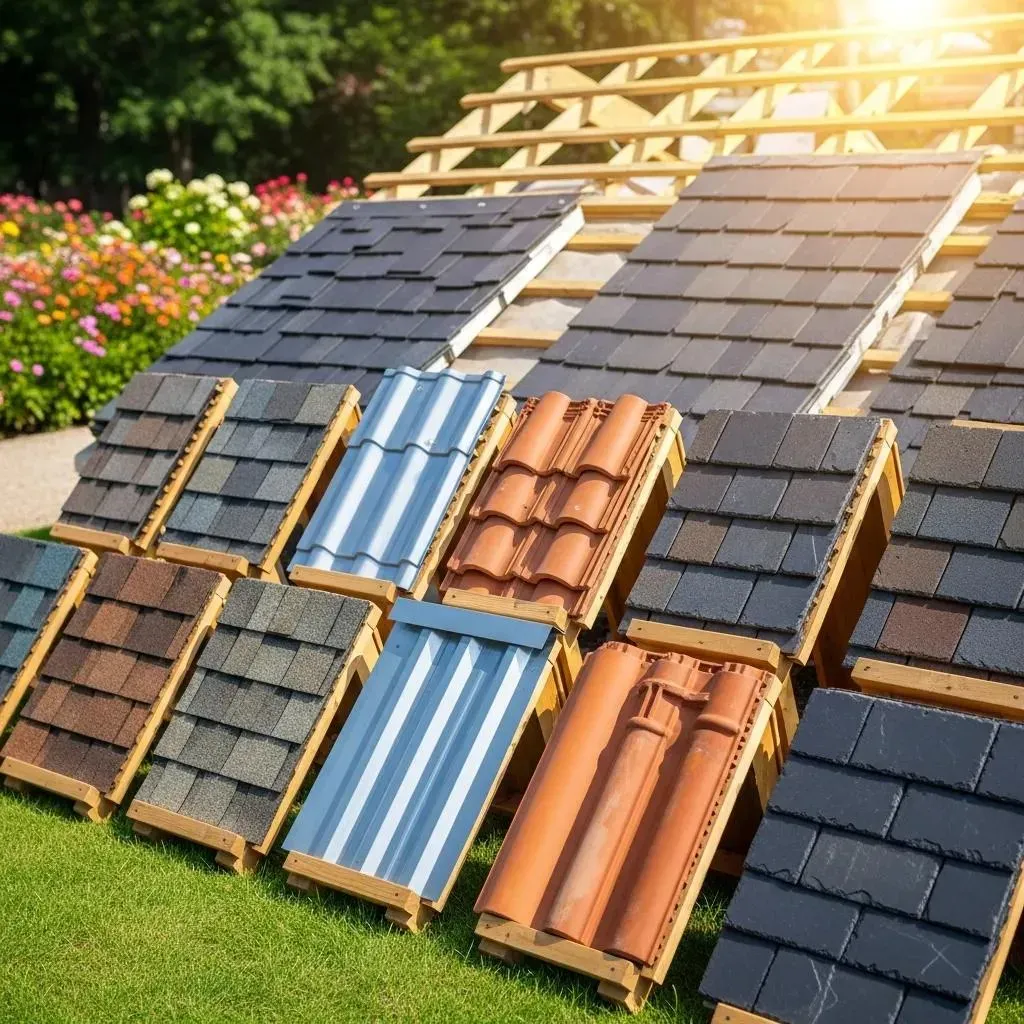
Selecting the right roofing material for your home is a crucial decision that impacts not only the aesthetic appeal but also the durability and energy efficiency of your property. Homeowners often face a myriad of choices, each with its own set of advantages and disadvantages. This article will guide you through the key factors to consider when choosing the best roofing materials for your home, ensuring you make an informed decision that aligns with your needs and budget. We will explore various types of roofing materials, their durability, cost considerations, and how climate influences your choice. By understanding these elements, you can enhance your home's longevity and energy efficiency while making a sound investment.
What Are the Most Common Residential Roofing Material Types?
When it comes to residential roofing, several materials are commonly used, each offering unique benefits and drawbacks. Understanding these options can help you select the best fit for your home.
- Asphalt Shingles: These are the most popular roofing material due to their affordability and ease of installation. They come in various colors and styles, making them versatile for different home designs.
- Metal Roofing: Known for its durability and longevity, metal roofing can withstand harsh weather conditions. It is also energy-efficient, reflecting heat away from the home.
- Tile Roofing: Tile roofs are aesthetically pleasing and can last for decades. They are particularly effective in hot climates as they provide excellent insulation.
- Slate Roofing: This premium option is highly durable and offers a unique look. Slate roofs can last over a century but come with a higher price tag.
- Wood Shingles: These provide a natural look and good insulation but require more maintenance and are susceptible to rot and pests.
How Do Asphalt Shingles Compare to Metal and Tile Roofing?
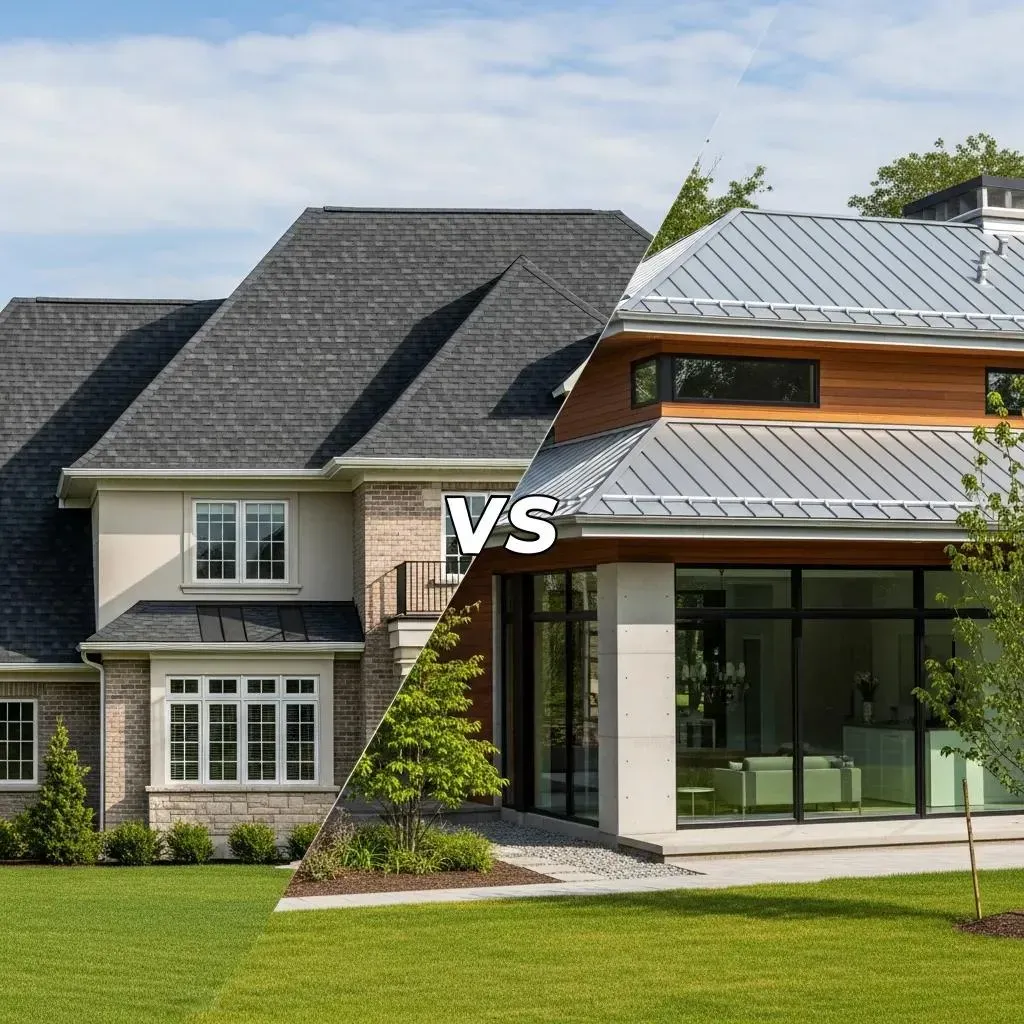
Asphalt shingles are often favored for their cost-effectiveness, typically ranging from $100 to $150 per square. In contrast, metal roofing, while more expensive at $300 to $700 per square, offers superior durability and energy efficiency. Tile roofing, priced between $600 and $1,000 per square, provides excellent insulation and longevity but requires a stronger roof structure due to its weight. Each material has its unique advantages, making it essential to consider your budget and long-term goals when making a choice.
What Are the Benefits of Slate and Other Specialty Roofing Materials?
Slate roofing is renowned for its longevity, often lasting over 100 years with minimal maintenance. Its natural beauty adds significant value to a home, making it a desirable option for many homeowners. Other specialty materials, such as synthetic slate or rubber roofing, offer similar aesthetics with lower costs and easier installation. These materials can mimic the look of traditional slate while providing enhanced durability and resistance to weather elements.
How Does Roofing Material Durability Affect Your Home's Longevity?
The durability of roofing materials plays a significant role in the overall lifespan of your home. Choosing a material that can withstand local weather conditions will reduce the need for frequent repairs and replacements, ultimately saving you money in the long run.
What Is the Lifespan of Different Roofing Materials?
Different roofing materials come with varying lifespans. For instance, asphalt shingles typically last 20-30 years, while metal roofing can last 40-70 years. Tile roofs can endure for 50 years or more, and slate roofs can last over a century. Understanding these lifespans can help you plan for future maintenance and replacement costs.
How Do Weather and Climate Impact Roofing Material Durability?
Weather and climate significantly influence the performance of roofing materials. For example, areas with heavy snowfall may benefit from metal roofing, which allows snow to slide off easily, reducing the risk of ice dams. Conversely, homes in hot climates may find that tile or metal roofing provides better insulation and energy efficiency, keeping homes cooler during the summer months.
What Are the Cost Considerations When Selecting Roofing Materials?
Cost is a critical factor when choosing roofing materials, as it encompasses not only the initial purchase price but also installation and long-term maintenance costs.
How Do Installation and Material Costs Vary by Roofing Type?
Installation costs can vary widely depending on the roofing material chosen. Asphalt shingles are generally the least expensive to install, while metal and tile roofing require more specialized labor, increasing overall costs. For example, the installation of asphalt shingles may cost around $1.50 to $5.50 per square foot, while metal roofing can range from $5.00 to $12.00 per square foot.
What Are the Long-Term Cost Benefits of Energy Efficient Roofing Options?
Investing in energy-efficient roofing options can lead to significant savings on energy bills over time. For instance, reflective metal roofing can reduce cooling costs by up to 25%. Additionally, some energy-efficient materials may qualify for tax credits or rebates, further offsetting initial costs. Choosing the right roofing material not only enhances your home's energy efficiency but also contributes to long-term financial savings.
| Material Type | Cost Range | Lifespan |
|---|---|---|
| Asphalt Shingles | $100 - $150 per square | 20-30 years |
| Metal Roofing | $300 - $700 per square | 40-70 years |
| Tile Roofing | $600 - $1,000 per square | 50+ years |
| Slate Roofing | $1,000+ per square | 100+ years |
This table illustrates the cost and lifespan of various roofing materials, helping homeowners make informed decisions based on their budget and longevity expectations.
How Do Climate and Energy Efficiency Influence Roofing Material Choice?
Climate and energy efficiency are crucial factors in selecting roofing materials. Different materials perform better under specific weather conditions, and energy-efficient options can significantly reduce utility costs.
Which Roofing Materials Are Best Suited for NJ, PA, and CT Climates?
In the northeastern United States, where winters can be harsh, metal roofing is often recommended due to its durability and snow-shedding capabilities. Asphalt shingles are also popular due to their affordability and variety. Tile roofing is less common in these colder climates but can be effective in warmer months, providing excellent insulation against heat. Homeowners should consider local building codes and regulations when selecting materials to ensure compliance and optimal performance.
How Can Energy Efficient Roofing Reduce Home Energy Costs?
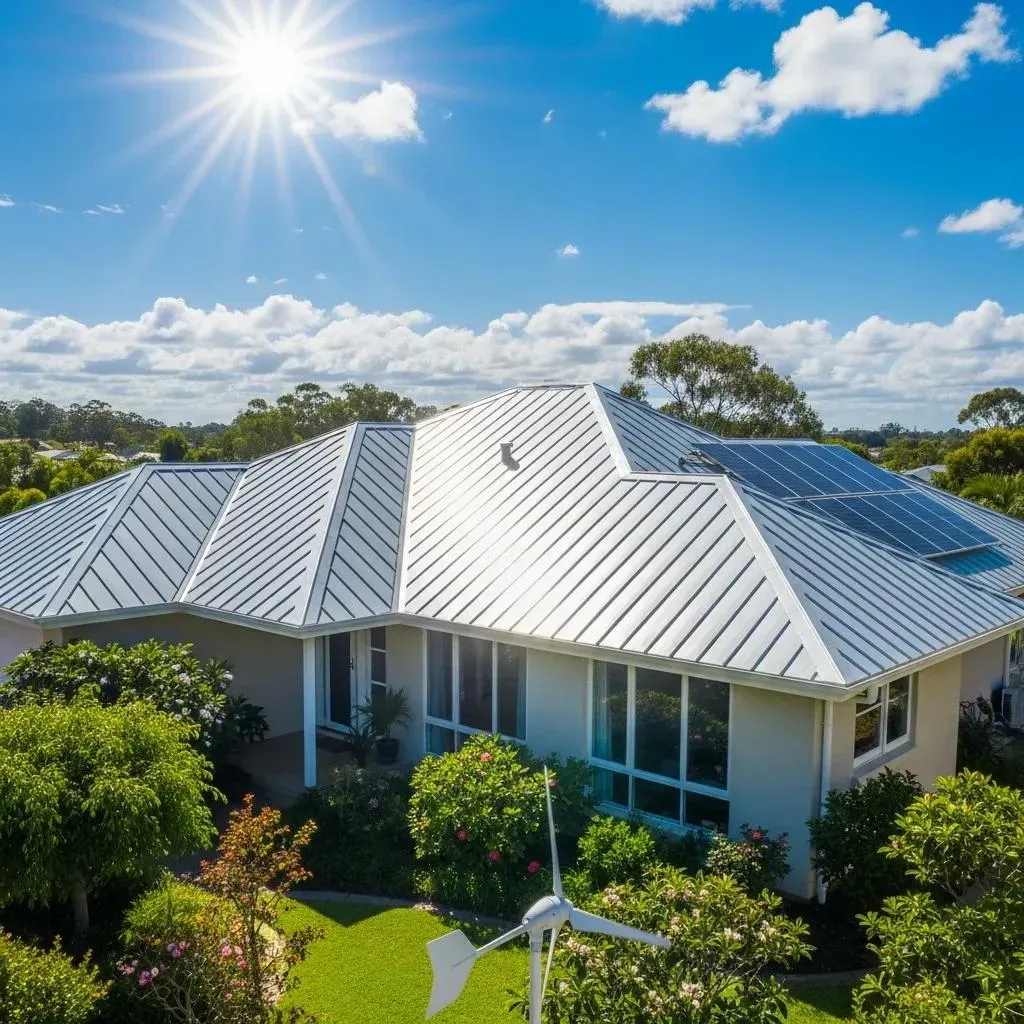
Energy-efficient roofing materials, such as reflective metal or cool roofing options, can significantly lower energy costs by reducing heat absorption. This leads to lower cooling demands during the summer months, resulting in substantial savings on energy bills. Additionally, these materials contribute to a more sustainable home, reducing the overall carbon footprint.
By understanding the key factors in selecting roofing materials, homeowners can make informed decisions that enhance their home's value, efficiency, and longevity. For those considering a roofing project, Certified Roofing Solutions Inc. specializes in providing expert guidance and high-quality roofing solutions tailored to your specific needs.