
How to Maintain Your Commercial Roof Effectively
Insured
Emergency services
How to Maintain Your Commercial Roof Effectively: Essential Tips for Long-Lasting Roof Performance
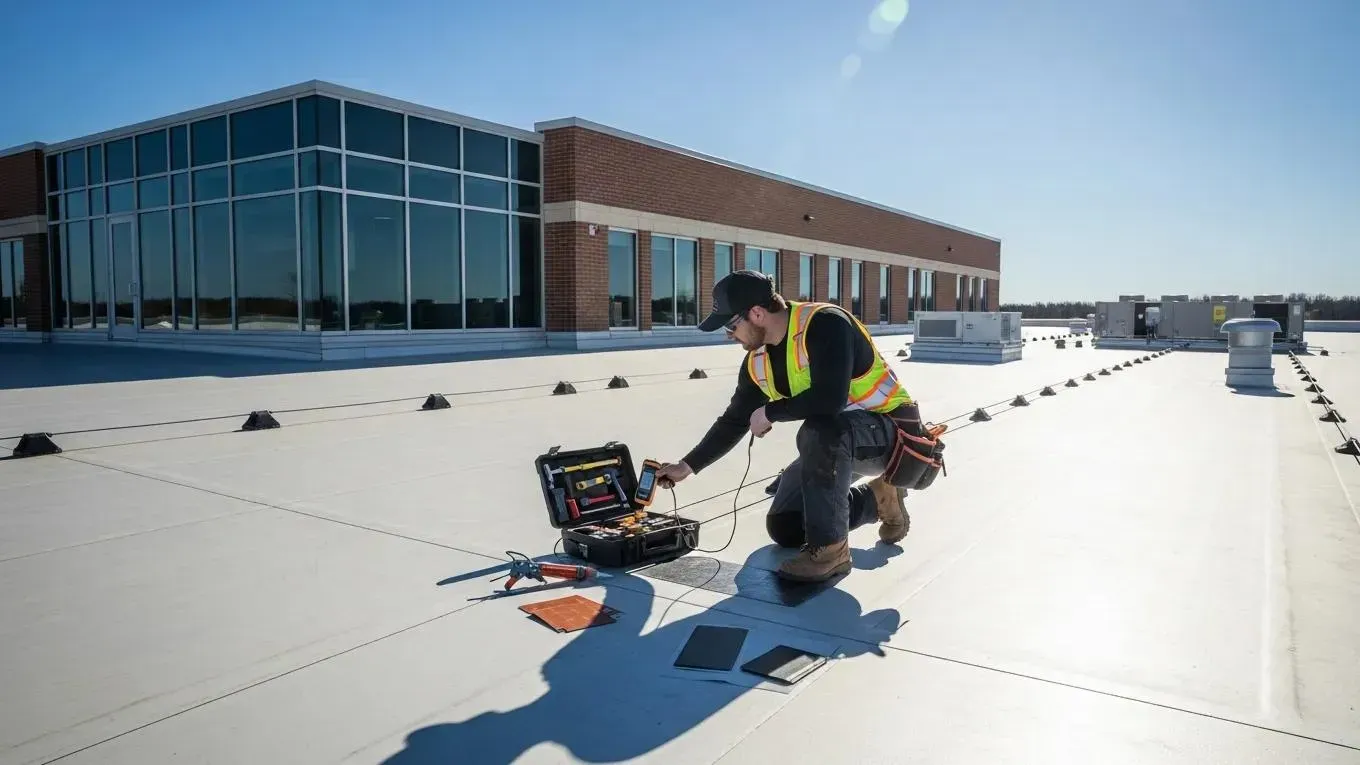
Maintaining a commercial roof is crucial for ensuring its longevity and performance. A well-maintained roof not only protects the building but also contributes to energy efficiency and reduces repair costs. This article will provide essential tips on how to maintain your commercial roof effectively, focusing on key practices, inspection techniques, and preventive measures. Many business owners overlook the importance of regular maintenance, which can lead to costly repairs and premature roof replacement. By following the guidelines outlined here, you can extend the lifespan of your roof and safeguard your investment. We will cover essential maintenance tips, common practices, signs of wear, inspection steps, and preventive techniques to help you keep your commercial roof in optimal condition.
Essential Tips for Long-Lasting Roof Performance
To ensure the longevity of your commercial roof, consider these essential maintenance tips:
- Regular Inspections: Schedule routine inspections at least twice a year to identify potential issues early.
- Proper Ventilation: Ensure adequate ventilation to prevent moisture buildup, which can lead to mold and structural damage.
- Quality Materials: Invest in high-quality roofing materials that enhance durability and weather resistance.
Implementing these practices can significantly improve your roof's performance and lifespan.
Common Maintenance Practices
Effective maintenance practices are vital for the upkeep of commercial roofs. Here are some common practices to consider:
- Gutter Cleaning: Regularly clean gutters to prevent water accumulation and leaks.
- Debris Removal: Remove leaves, branches, and other debris that can trap moisture and cause damage.
- Leak Checks: Conduct regular leak checks to identify and address issues before they escalate.
By adhering to these practices, you can maintain the integrity of your roof and avoid costly repairs.
Certified Roofing Solutions Inc emphasizes the importance of professional maintenance services. Engaging experts can ensure that your roof receives the attention it needs, utilizing specialized tools and techniques for thorough inspections and repairs.
Signs of Wear to Watch For
Identifying signs of wear early can prevent more significant issues down the line. Look for the following indicators:
- Missing or Damaged Shingles: Check for any shingles that are missing or have visible damage.
- Water Stains: Look for water stains on ceilings or walls, which may indicate leaks.
- Sagging Areas: Notice any sagging sections of the roof, which can signal structural problems.
Being vigilant about these signs can help you address issues promptly and maintain your roof's health.
What Are the Key Steps in a Comprehensive Commercial Roof Inspection?
A thorough roof inspection involves several critical steps:
- Visual Assessment: Begin with a visual inspection of the roof surface, looking for obvious signs of damage.
- Examine Critical Areas: Pay special attention to areas such as flashing, seams, and penetrations where leaks are likely to occur.
- Use Proper Tools: Utilize appropriate tools, such as moisture meters and infrared cameras, to detect hidden issues.
Following these steps ensures a comprehensive evaluation of your roof's condition.
How to Conduct a Detailed Roof Inspection Checklist for Commercial Buildings
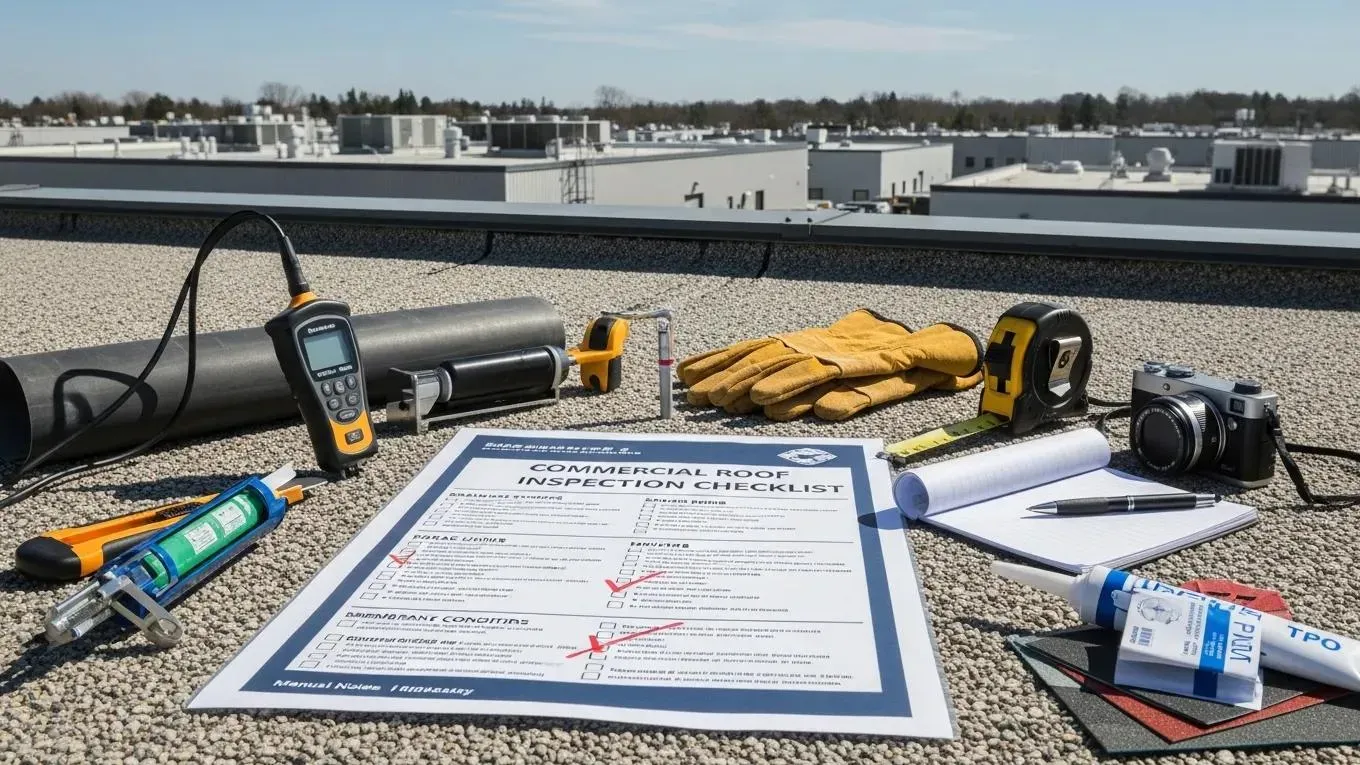
Creating a checklist for roof inspections can streamline the process. Here are key items to include:
- Schedule Regular Inspections: Plan inspections at least twice a year and after severe weather events.
- Use a Comprehensive Checklist: Include items such as checking for debris, assessing drainage systems, and inspecting flashing.
- Document Findings: Keep detailed records of inspection results for future reference.
A well-structured checklist can enhance the effectiveness of your inspections and help track maintenance over time.
When and How Often Should Commercial Roof Inspections Be Scheduled?
Scheduling inspections is crucial for maintaining your roof's integrity. Here are some guidelines:
- Twice a Year: Inspect your roof at least twice a year, ideally in spring and fall.
- Post-Storm Inspections: Conduct inspections after severe weather events to assess any potential damage.
- Older Roofs: For older roofs, consider more frequent inspections to catch issues early.
Regular inspections can help you stay ahead of potential problems and extend the life of your roof.
Which Preventive Maintenance Techniques Extend Commercial Roof Lifespan?
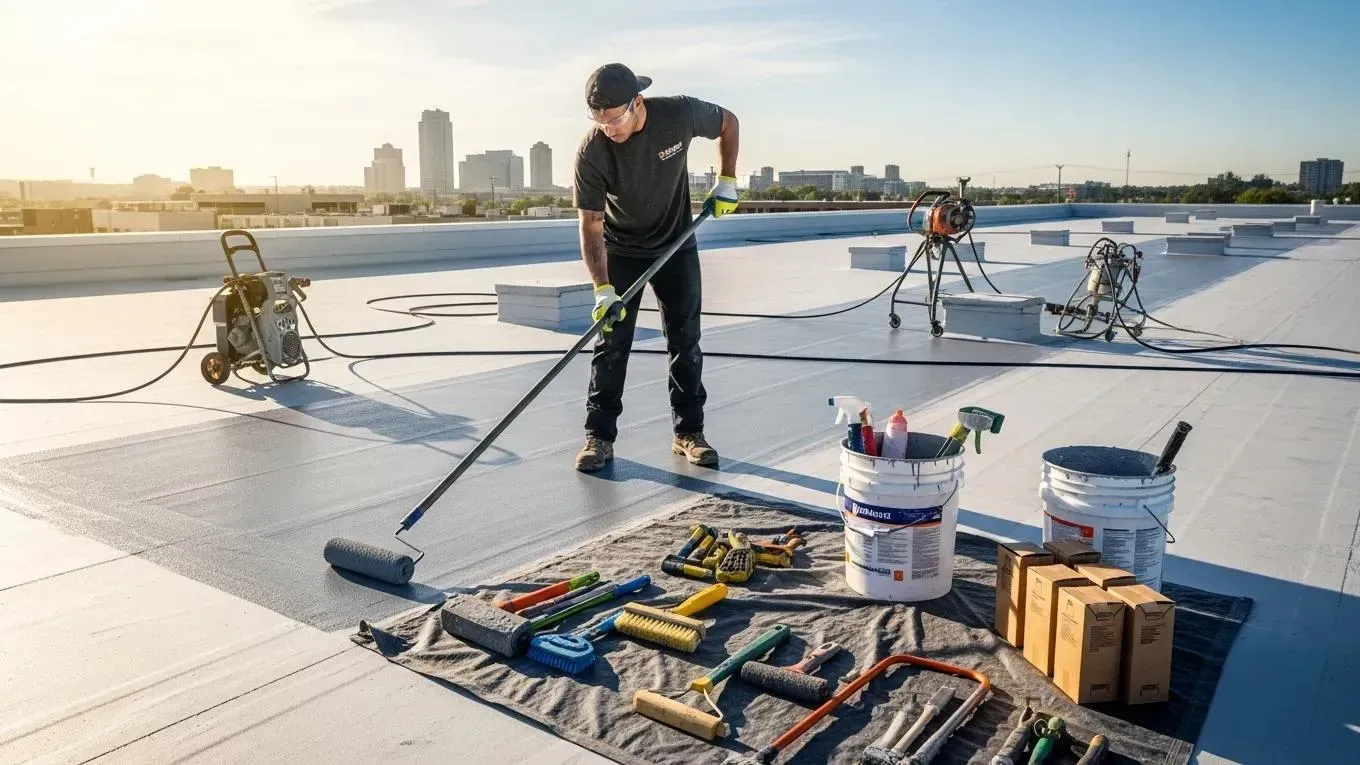
Implementing preventive maintenance techniques can significantly enhance your roof's lifespan. Consider these strategies:
- Regular Inspections: Catching issues early through inspections can prevent costly repairs.
- Gutter Cleaning: Keeping gutters clear prevents water damage and extends roof life.
- Timely Repairs: Addressing minor repairs promptly can save costs in the long run.
These techniques are essential for maintaining a healthy roof and avoiding unexpected expenses.
What Are Best Practices for Preventive Commercial Roof Care?
To ensure effective preventive care, follow these best practices:
- Establish a Routine Maintenance Plan: Create a schedule for regular inspections and maintenance tasks.
- Utilize Professional Services: Engage certified professionals for thorough inspections and repairs.
- Document Maintenance Activities: Keep records of all maintenance work performed for future reference.
By adhering to these best practices, you can maintain your roof's performance and longevity.
How Do Preventive Measures Reduce Emergency Repair Costs?
Preventive maintenance can lead to significant cost savings. Here’s how:
- Early Detection: Identifying issues early prevents them from escalating into costly repairs.
- Extended Lifespan: Regular maintenance extends the life of your roof, reducing the need for premature replacement.
- Proactive Care: Investing in preventive measures saves money in the long run by avoiding emergency repairs.
Understanding the financial benefits of preventive maintenance can motivate business owners to prioritize roof care.
How Can You Detect and Repair Leaks in Commercial Roofing Efficiently?
Efficient leak detection and repair are crucial for maintaining a commercial roof. Here are effective methods:
- Conduct Visual Inspections: Regularly inspect the roof for visible signs of leaks.
- Utilize Professional Assessments: Engage professionals for thorough leak detection assessments.
- Implement Smart Water Sensors: Consider installing sensors that alert you to leaks before they cause significant damage.
These methods can help you manage leaks effectively and maintain your roof's integrity.
What Are Effective Commercial Roof Leak Detection Methods?
Detecting leaks early is essential for preventing damage. Here are some effective methods:
- Regular Inspections: Schedule routine inspections to identify potential leaks.
- Monitor Attic Conditions: Check for signs of moisture or water stains in the attic.
- Advanced Detection Techniques: Use infrared cameras or moisture meters for more accurate leak detection.
Implementing these methods can enhance your ability to manage leaks and protect your building.
Which Commercial Roof Repair Services Address Common Leak Issues?
When leaks occur, it's essential to know which repair services to consider. Here are some options:
- Expert Leak Repair Services: Engage professionals who specialize in commercial roof repairs.
- Storm Damage Restoration: Look for services that offer restoration after severe weather events.
- Emergency Roof Services: Ensure you have access to emergency repair services for urgent situations.
Choosing the right repair services can make a significant difference in addressing leak issues effectively.
What Are the Best Practices for Flat Roof Maintenance in Commercial Buildings?
Flat roofs require specific maintenance practices to ensure their longevity. Here are some best practices:
- Conduct Regular Inspections: Schedule inspections to identify potential issues early.
- Clear Debris Regularly: Remove debris to prevent water accumulation and damage.
- Address Leaks Promptly: Respond to leaks quickly to avoid further damage.
By following these practices, you can maintain the integrity of your flat roof and extend its lifespan.
How to Maintain Flat Roofs: Cleaning, Coatings, and Protective Solutions
Maintaining flat roofs involves several key strategies:
- Regular Cleaning: Keep the roof surface clean to prevent damage from debris and standing water.
- Use Protective Coatings: Consider applying protective coatings to enhance durability and energy efficiency.
- Ensure Proper Drainage: Check drainage systems to prevent water buildup and leaks.
These strategies are essential for maintaining flat roofs and ensuring their long-term performance.
How Do Roof Coatings Improve Energy Efficiency and Durability?
Roof coatings offer several benefits for commercial roofs:
- Reflective Coatings: These coatings reduce heat absorption, improving energy efficiency.
- Enhanced Longevity: Coatings protect the roof surface from UV damage and weathering.
- Lower Energy Costs: Improved energy efficiency can lead to reduced cooling costs.
Understanding the benefits of roof coatings can help you make informed decisions about your roof maintenance.
For those interested in related services, residential roofing installation offers insights into quality roofing solutions that can complement commercial roof care.