
Essential Tips for Finding a Reputable Roofing Contractor
Insured
Emergency services
10 Essential Tips for Choosing a Reputable Commercial Roofing Contractor: Qualifications, Verification, and Project Success
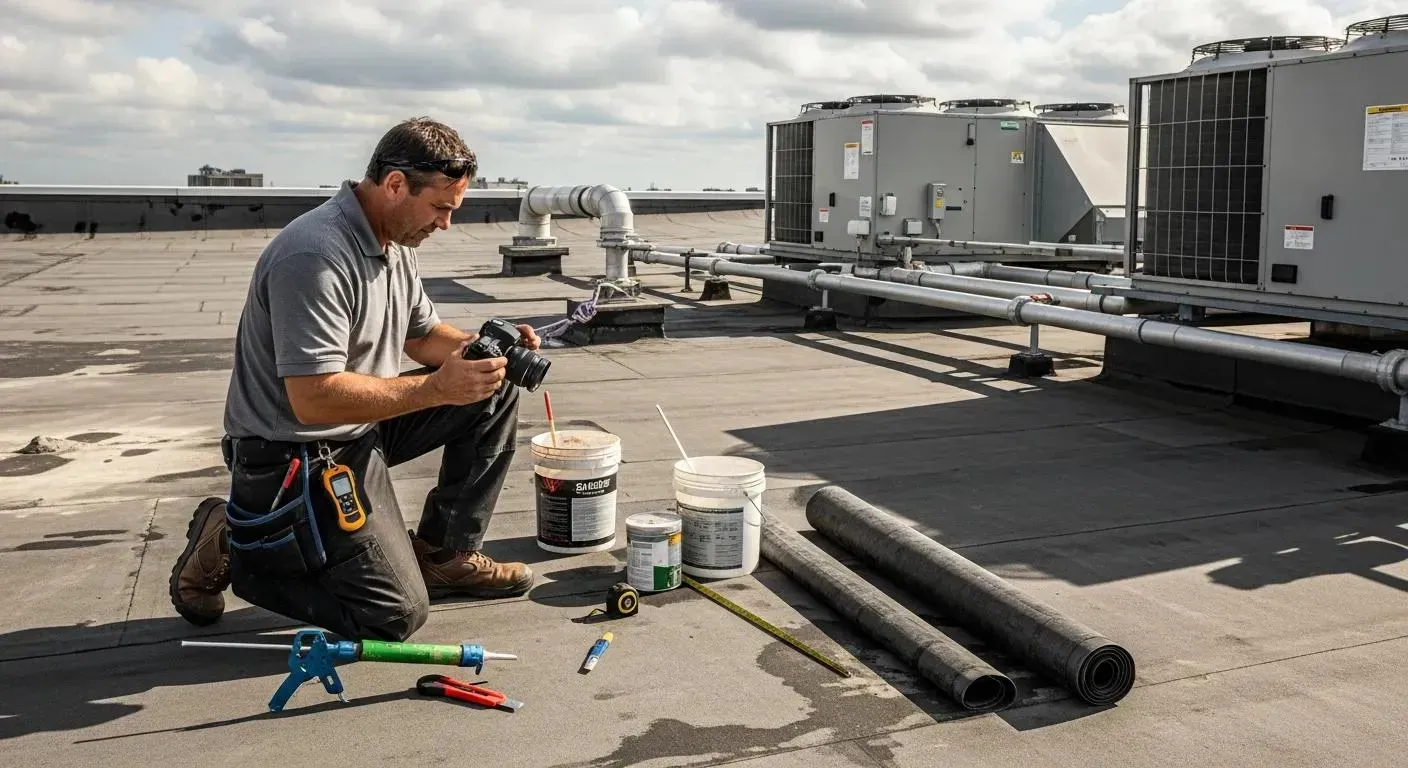
Selecting a reputable commercial roofing contractor is crucial for the success of your roofing project. With numerous options available, it can be overwhelming to determine which contractor will meet your needs effectively. This article provides essential tips to help you identify qualified contractors, verify their credentials, and ensure your project is completed successfully. You will learn about the necessary qualifications, verification processes, and factors that contribute to project success. By understanding these elements, you can make informed decisions that lead to a successful roofing project.
The process of selecting the right contractor involves evaluating various criteria, which can be systematically compared to ensure the best fit for your project.
Key Criteria for Commercial Contractor Selection
identi®ed from this study as a basis for comparison, in terms of both identity and weights, of contractor selection criteria used by different clients in the construction industry.
Criteria for contractor selection, Z Hatush, 1997
Essential Qualifications
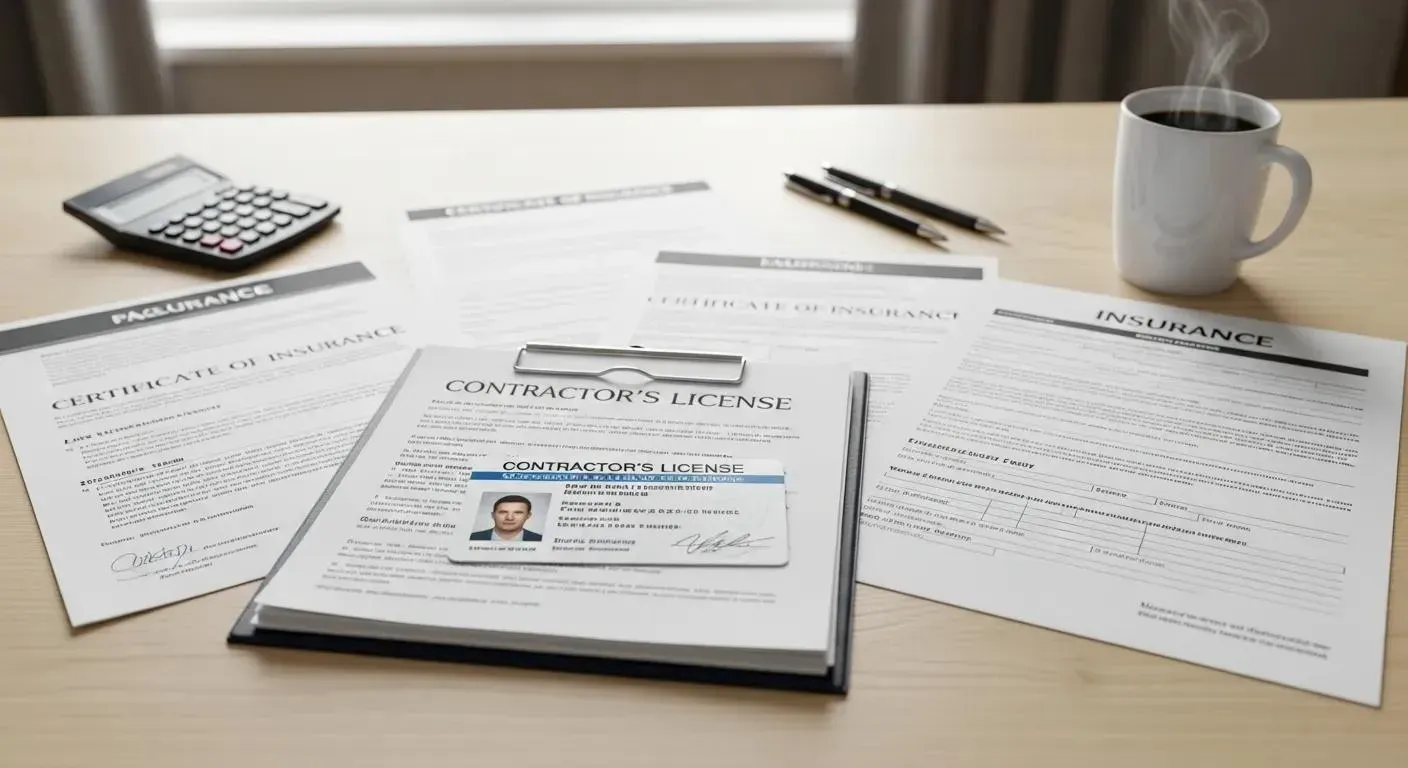
When choosing a commercial roofing contractor, it is vital to consider their qualifications. A reputable contractor should possess the necessary licenses, insurance, and experience in commercial roofing. These qualifications ensure that the contractor is capable of handling your project effectively and safely.
Indeed, research emphasizes that proper licensing, insurance, and bonding are fundamental for a contractor's credibility and legal compliance.
Contractor Licensing, Insurance & Bonding for Credibility
The findings reveal that while licensing, insurance, and bonding are seen as foundational for establishing credibility and legal compliance, the permitting process presents the most significant challenge. Respondents consistently described permitting as overly complex, inconsistent between jurisdictions, and a frequent cause of project delays.
How Regulations Impact Contractors in California: Licensing, Insurance, Bonding & Permitting, 2025
- Licensing Requirements: Ensure the contractor holds the appropriate licenses required by your state or local jurisdiction.
- Insurance Coverage: Verify that the contractor has liability insurance and workers' compensation to protect you from potential liabilities.
- Experience in Commercial Roofing: Look for contractors with a proven track record in commercial roofing projects similar to yours.
Verification Processes
Verifying a contractor's qualifications is a critical step in the selection process. This ensures that you are hiring a legitimate and capable contractor.
- Check Licensing Status: Visit your state’s licensing board website to confirm the contractor's licensing status.
- Request Proof of Insurance: Ask the contractor for copies of their insurance certificates to ensure they are adequately covered.
- Review Customer Feedback: Look for online reviews and testimonials from previous clients to gauge the contractor's reputation.
Factors Contributing to Project Success
Several factors can significantly impact the success of your roofing project. Understanding these elements can help you choose the right contractor and ensure a smooth process.
Maintaining rigorous quality control throughout the project is equally crucial for ensuring long-term success and preventing future issues.
Ensuring Quality Control in Commercial Roofing Projects
It was found that the specification is not observed as much as it should be. The quality of the CQC function depends to a great extent on the capabilities of the CQC representative and the number of other duties he must perform. CQC can best be improved by insuring that the quality assurance representative spends enough time on the roof during its construction to note and correct deficiencies in a timely manner and to insure that the CQC representative is performing properly.
Evaluation of Contractor Quality Control of Built-Up Roofing., 1983
- Quality of Materials: The materials used in your roofing project can affect its longevity and performance. Ensure your contractor uses high-quality materials that meet industry standards.
- Effective Communication: A contractor who communicates clearly and promptly can help prevent misunderstandings and ensure that your project stays on track.
- Project Management Skills: A skilled contractor should have strong project management abilities to coordinate the various aspects of your roofing project efficiently.
For those seeking a reliable contractor, obtaining free estimates can be a valuable step. Certified Roofing Solutions Inc. specializes in providing comprehensive roofing solutions and can assist you in evaluating your options.
How Can You Verify a Commercial Roofing Contractor's License and Certifications?
Verifying a contractor's license and certifications is essential to ensure they are qualified to perform the work. Here’s how you can do it:
- Visit State Licensing Websites: Check the official state licensing board website for the contractor's licensing information.
- Request Proof of Insurance: Ask the contractor to provide documentation of their insurance coverage.
- Check for Complaints: Look for any complaints or disciplinary actions against the contractor through state or local consumer protection agencies.
What Are the Key Licensing Requirements for Commercial Roofing Contractors in NJ, PA, and CT?
Each state has specific licensing requirements for commercial roofing contractors. Understanding these can help you ensure that your contractor is compliant.
- New Jersey: Contractors must be registered with the New Jersey Division of Consumer Affairs and hold a valid business license.
- Pennsylvania: Local permits may be required, and contractors should be registered with the Pennsylvania Department of Labor and Industry.
- Connecticut: Contractors must register with the Department of Consumer Protection and meet specific insurance requirements.
How to Confirm Validity of Contractor Licenses and Certifications?
Confirming the validity of a contractor's licenses and certifications involves several steps:
- Check State Licensing Boards: Use the state licensing board's website to verify the contractor's license status.
- Request Proof of Insurance: Ensure the contractor provides valid insurance certificates.
- Contact References: Reach out to previous clients to inquire about their experiences with the contractor.
What Insurance and Warranty Considerations Should You Evaluate?
Insurance and warranty considerations are crucial when selecting a roofing contractor. They protect you from potential issues that may arise during or after the project.
- Types of Coverage: Ensure the contractor has general liability insurance and workers' compensation coverage.
- Key Terms to Look For: Understand the terms of the warranty, including what is covered and the duration of coverage.
- Importance of Verifying Contractor Policies: Always verify that the contractor's insurance and warranty policies are current and valid.
Which Types of Insurance Must a Reliable Commercial Roofing Contractor Carry?
A reliable commercial roofing contractor should carry several types of insurance to protect both themselves and their clients:
- Liability Insurance: Covers damages to property or injuries that may occur during the project.
- Workers' Compensation: Protects workers in case of injuries sustained on the job.
- Professional Indemnity: Covers claims related to professional negligence or errors in the contractor's work.
What Warranty Terms Should You Expect for Commercial Roofing Projects?
Understanding warranty terms is essential for protecting your investment in a roofing project. Here are key aspects to consider:
- Manufacturer Warranties: These warranties cover defects in materials and typically last for a specified period (often 10 to 30 years, depending on the material).
- Workmanship Warranties: These warranties cover the contractor's work and may vary in duration (often 1 to 10 years).
- Claims Process: Familiarize yourself with the process for filing warranty claims to ensure you can address any issues that arise.
What Questions Should You Ask to Assess a Commercial Roofing Contractor's Reputation?
Asking the right questions can help you assess a contractor's reputation effectively. Consider the following:
- Experience in Business: Inquire about how long the contractor has been in business and their experience with similar projects.
- References from Past Clients: Request references and follow up with previous clients to learn about their experiences.
- Warranty Policy: Ask about the contractor's warranty policy and what it covers.
How to Evaluate Contractor Experience and Customer Reviews Effectively?
Evaluating a contractor's experience and customer reviews can provide valuable insights into their capabilities. Here’s how to do it:
- Duration in Business: Consider how long the contractor has been operating in the industry.
- Review Platforms: Check multiple review platforms to gather a comprehensive view of customer feedback.
- Identifying Red Flags: Look for patterns in reviews that may indicate potential issues, such as poor communication or missed deadlines.
What Project Management and Communication Questions Are Essential?
Effective project management and communication are vital for a successful roofing project. Here are essential questions to ask:
- Payment Structure: Understand the payment terms and schedule before starting the project.
- Handling Customer Complaints: Inquire about the contractor's process for addressing customer complaints or concerns.
- Project Timeline Expectations: Discuss the expected timeline for project completion and any potential delays.
How Do Roofing Materials and Project Timelines Impact Your Contractor Choice?
The choice of roofing materials and project timelines can significantly influence your contractor selection. Here’s what to consider:
- Material Types and Their Impact: Different materials have varying lifespans and maintenance requirements, which can affect your long-term costs.
- Project Duration Considerations: Understand how the choice of materials may impact the overall project timeline.
- Contractor Experience with Materials: Ensure the contractor has experience working with the specific materials you choose for your project.
Which Commercial Roofing Materials Are Best Suited for Your Project Needs?
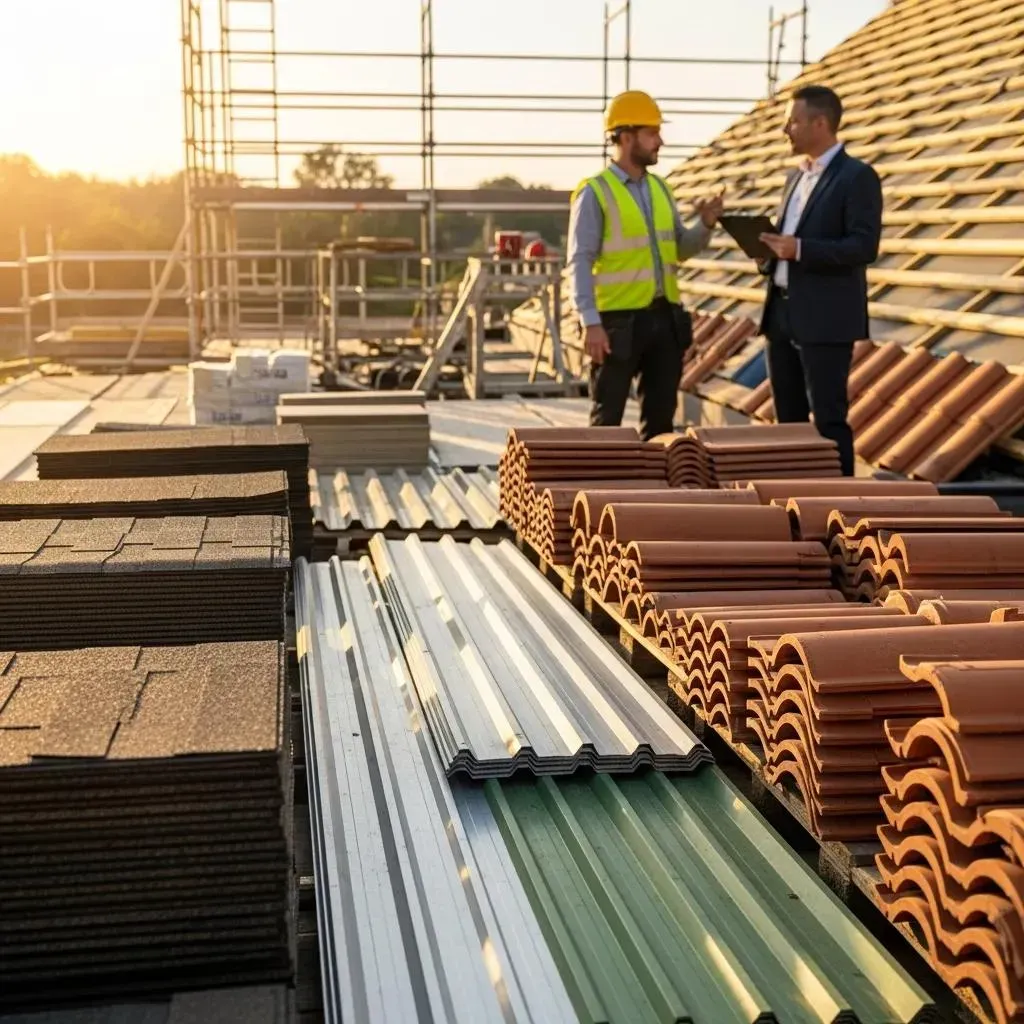
Selecting the right roofing materials is essential for the success of your project. Here are some common options:
- Asphalt Shingles: A popular choice for their affordability and ease of installation.
- Metal Roofing: Known for its durability and energy efficiency, making it a long-term investment.
- Tile and Slate Options: Offer aesthetic appeal and longevity but may require more structural support.
What Are Typical Project Duration Expectations and Scheduling Considerations?
Understanding project duration expectations can help you plan effectively. Here are key factors to consider:
- Duration Based on Materials: Different materials may require varying installation times.
- Scheduling Flexibility: Discuss the contractor's availability and flexibility in scheduling.
- Impact on Costs: Be aware that longer project durations may increase overall costs due to labor and material expenses.
For homeowners considering a new roof, it's essential to understand the different residential roofing installation options available to ensure a durable and aesthetically pleasing result.
When choosing a commercial roofing contractor, it is vital to consider their qualifications. A reputable contractor should possess the necessary licenses, insurance, and experience in commercial roofing. These qualifications ensure that the contractor is capable of handling your project effectively and safely.
Verifying a contractor's qualifications is a critical step in the selection process. This ensures that you are hiring a legitimate and capable contractor.
Several factors can significantly impact the success of your roofing project. Understanding these elements can help you choose the right contractor and ensure a smooth process.