
Top Tips for Commercial Roofing Installation in Marietta, GA
Insured
Emergency services
Understanding Commercial Roofing Installation in Marietta GA: Expert Guidance for Property Owners
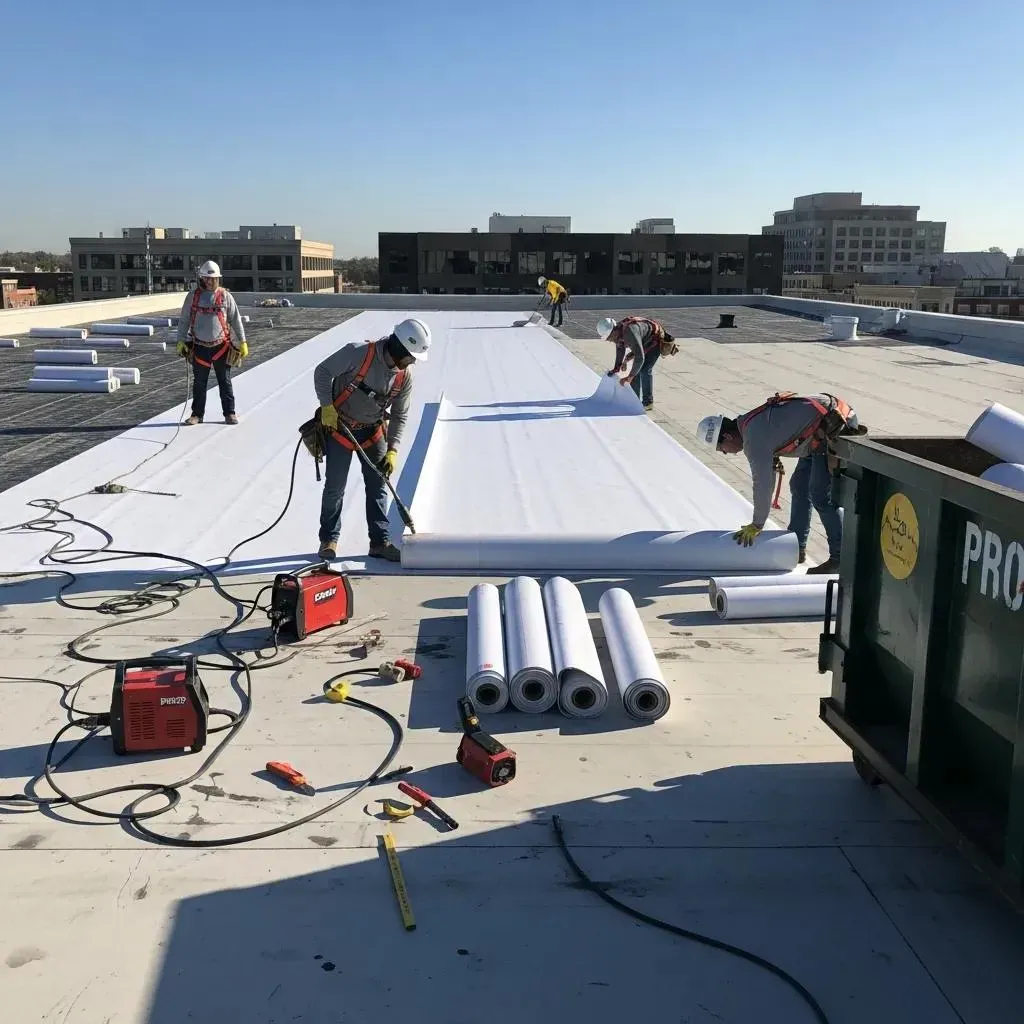
Commercial roofing installation is a critical aspect of property management that ensures the safety and longevity of commercial buildings. This process involves various steps, materials, and best practices that property owners must understand to make informed decisions. In Marietta, GA, the unique climate and building regulations further influence the choice of roofing systems and installation techniques. This article aims to provide a comprehensive overview of commercial roofing installation, including the installation process, materials used, best practices, and maintenance tips. By understanding these elements, property owners can effectively manage their roofing needs and ensure their investments are protected.
Installation Process
The installation process for commercial roofing involves several key steps that ensure a durable and effective roofing system. Initially, a thorough inspection is conducted to assess the existing roof's condition and determine the necessary repairs or replacements. Following this, property owners select appropriate materials based on their budget and the specific needs of their building. The preparation phase includes removing old roofing materials and making any necessary structural repairs before the new roofing system is installed.
Certified Roofing Solutions Inc. specializes in providing expert guidance throughout this installation process, ensuring that property owners receive the best possible service tailored to their needs.
Ensuring high-quality installation also depends on the expertise of the contractors and the materials they use, as highlighted by industry standards.
Commercial Roofing Systems: Contractor Training & Quality Materials
ensure contractors have the appropriate training to install our only the best materials but also top-tier customer service.
Rising to the Challenge
Materials
Various materials are available for commercial roofing, each offering distinct advantages. The most common types include:
- TPO Roofing: Known for its energy efficiency and cost-effectiveness, TPO roofing is a popular choice for flat roofs.
- EPDM Roofing: This durable rubber roofing material is ideal for low-slope applications and offers excellent weather resistance.
- Metal Roofing: Metal roofs are highly durable and can withstand extreme weather conditions, making them a long-term investment for commercial properties.
Understanding the benefits of these materials can help property owners make informed decisions about their roofing systems. Certified Roofing Solutions Inc. provides expertise in selecting the right materials and offers free estimates to assist property owners in their decision-making process.
The long-term performance of these materials is often enhanced by engineering strategies designed to improve their resistance to environmental factors.
Improving Roofing Material Performance Against Weathering
In this paper, we broadly review how weathering occurs and discuss several engineering strategies that are employed for improving the performance of roofing materials.
Weathering of roofing materials–an overview, R Levinson, 2008
Best Practices
Maintaining a commercial roof is essential for its longevity and performance. Here are some best practices for property owners:
- Regular Inspections: Schedule routine inspections to identify potential issues before they escalate.
- Routine Maintenance Plans: Implement a maintenance plan that includes cleaning gutters, checking for leaks, and ensuring proper drainage.
- Professional Installation Importance: Always hire qualified roofing contractors to ensure that the installation meets industry standards and local building codes.
By adhering to these best practices, property owners can extend the lifespan of their roofs and avoid costly repairs.
What Are the Key Types of Commercial Roofing Systems in Marietta GA?
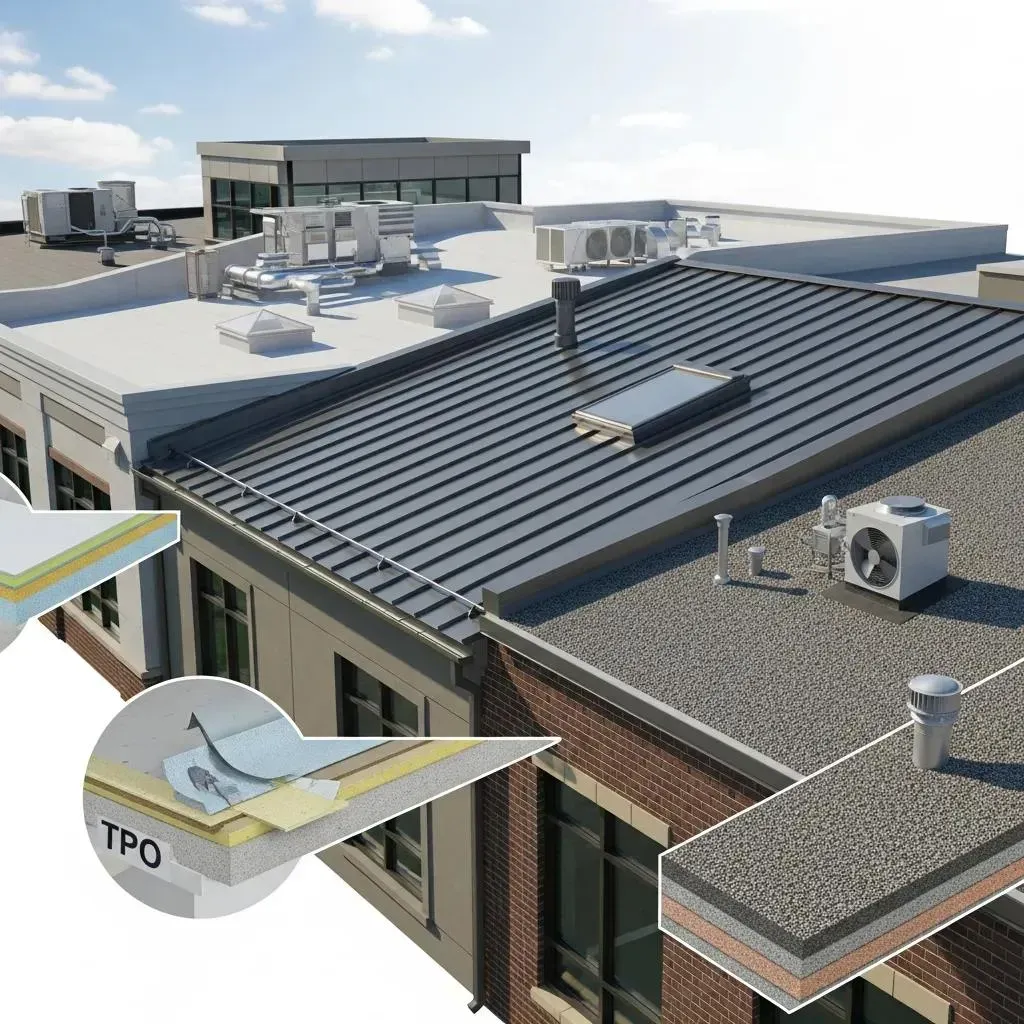
In Marietta, GA, several commercial roofing systems are commonly used, each with its unique benefits. Understanding these systems can help property owners choose the best option for their buildings.
- Flat Roofs: These roofs are cost-effective and provide additional space for HVAC systems or rooftop gardens.
- Metal Roofing: Known for its durability and low maintenance, metal roofing is an excellent choice for commercial properties.
- Built-Up Roofing (BUR): This traditional roofing system consists of multiple layers of roofing felt and asphalt, providing excellent waterproofing.
How Do Flat Roof Installations Benefit Commercial Buildings?
Flat roofs offer several advantages for commercial buildings, including:
- Cost-Effectiveness: Flat roofs are generally less expensive to install and maintain compared to sloped roofs.
- Space Utilization: The flat surface allows for the installation of HVAC units and solar panels, maximizing the building's functionality.
- Energy Efficiency: Many flat roofing materials are designed to reflect sunlight, reducing cooling costs during hot months.
Beyond immediate savings, the financial benefits of energy-efficient roofing systems, such as cool roofs, can be further understood through a detailed cost-benefit analysis.
Cool Roof ROI: Cost-Benefit Analysis for Commercial Buildings
cost benefit analysis (CBA) was conducted to determine the return on investment (ROI) for the new cool roof period for the added cost of installing the 100% cool roof.
An integrated empirical and modeling methodology for analyzing solar reflective roof technologies on commercial buildings, JS Golden, 2010
What Are the Advantages of Metal Roofing Systems for Commercial Properties?
Metal roofing systems provide numerous benefits for commercial properties, such as:
- Longevity: Metal roofs can last 40 years or more with proper maintenance, making them a wise investment.
- Weather Resistance: They are highly resistant to severe weather conditions, including high winds and heavy rain.
- Low Maintenance: Metal roofs require minimal upkeep compared to other roofing materials, saving property owners time and money.
What Is the Step-by-Step Process for Commercial Roof Installation?
The step-by-step process for commercial roof installation is crucial for ensuring a successful outcome. It typically includes the following phases:
- Inspection and Preparation: A thorough inspection is conducted to assess the roof's condition, followed by necessary preparations.
- Installation Techniques: The chosen roofing material is installed according to manufacturer specifications and industry best practices.
- Final Inspection: After installation, a final inspection ensures that the roof meets all quality standards.
How Does CRS Roofing Conduct Roof Inspection and Preparation?
Certified Roofing Solutions Inc. conducts a meticulous roof inspection and preparation process, which includes:
- Thorough Inspection: Assessing the roof's current condition and identifying any underlying issues.
- Preparation for Installation: Removing old materials and making necessary repairs to ensure a solid foundation for the new roof.
What Are the Installation and Finishing Procedures for Commercial Roofs?
The installation and finishing procedures for commercial roofs involve:
- Installation According to Specifications: Ensuring that the roofing material is installed as per the manufacturer's guidelines.
- Final Quality Checks: Conducting a thorough inspection to confirm that the installation meets all quality and safety standards.
How Can Property Owners Maintain and Repair Commercial Roofs in Marietta GA?
Proper maintenance and timely repairs are essential for extending the life of commercial roofs. Property owners should consider the following:
- Regular Maintenance Schedule: Establish a routine maintenance schedule to keep the roof in optimal condition.
- Common Issues to Address: Be vigilant for signs of wear, such as leaks or damaged flashing, and address them promptly.
- Effective Maintenance Techniques: Utilize professional services for inspections and repairs to ensure quality work.
What Are Best Practices for Commercial Roof Maintenance?
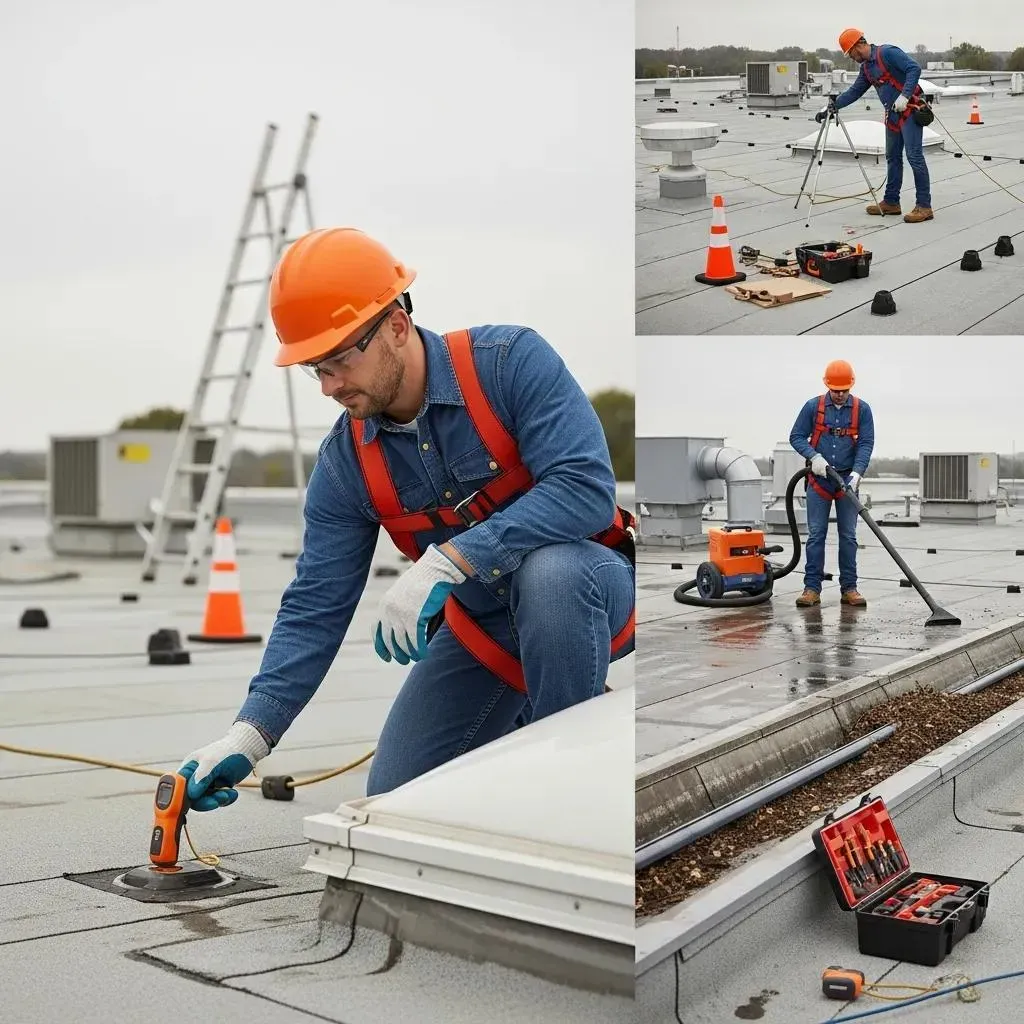
Best practices for maintaining commercial roofs include:
- Inspection Frequency: Conduct inspections at least twice a year and after severe weather events.
- Common Issues: Look for signs of wear, such as cracks, blisters, or pooling water.
- Maintenance Techniques: Regularly clean gutters and drains to prevent water buildup and potential leaks.
When Should Commercial Roof Repair or Replacement Be Considered?
Property owners should consider roof repair or replacement when:
- Age of the Roof: If the roof is nearing the end of its expected lifespan, it may be time for a replacement.
- Signs of Damage: Visible damage, such as leaks or extensive wear, indicates that repairs may not suffice.
- Repair History: Frequent repairs may suggest that a replacement is more cost-effective in the long run.
What Are the Typical Costs and Financing Options for Commercial Roofing Installation?
Understanding the costs associated with commercial roofing installation is essential for property owners. Typical costs can vary based on several factors, including:
- Size of the Roof: Larger roofs will generally incur higher installation costs.
- Type of Materials: The choice of roofing materials significantly impacts the overall cost.
- Labor Costs: Skilled labor is necessary for proper installation, which can also affect pricing.
How Are Commercial Roofing Installation Costs Determined in Marietta GA?
The costs of commercial roofing installation in Marietta, GA, are determined by:
- Size of the Roof: Larger roofs require more materials and labor, increasing costs.
- Type of Materials: Different materials have varying price points, affecting the overall budget.
- Labor Costs: Skilled labor is essential for quality installation, which can vary in price.
What Financing and Free Estimate Services Does CRS Roofing Offer?
Certified Roofing Solutions Inc. offers various financing options and free estimates to assist property owners in managing their roofing projects. These services include:
- Financing Plans Available: Flexible financing options to help property owners afford their roofing needs.
- Free Estimate Process: A no-obligation estimate to provide clarity on potential costs and options.
For more information on residential roofing, contact us today.