

Recognize the Signs You Need Gutter Replacement Today
Insured
Emergency services
Signs You Need Gutter Replacement Now: How to Identify and Act Promptly
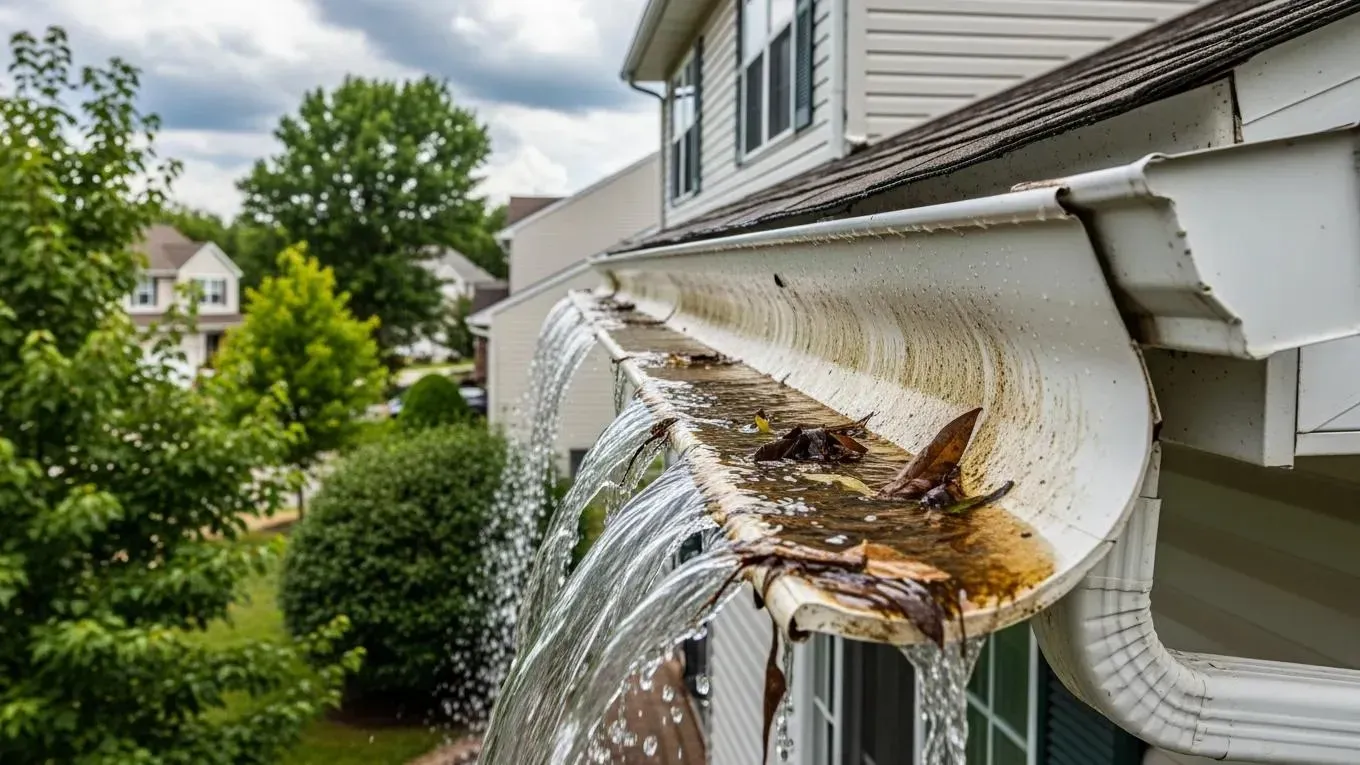
Gutters play a crucial role in maintaining the structural integrity of your home by directing water away from the foundation. However, over time, they can deteriorate and fail to perform their function properly. Understanding the signs that indicate you need a gutter replacement is vital for preventing costly water damage and ensuring your home receives adequate protection. In this article, we'll explore common indicators of gutter deterioration, effective identification methods, and the steps homeowners should take upon noticing these signs. We’ll also integrate information about professional services offered by Complete Roof Systems, which specializes in comprehensive residential roofing installations and exterior home protection services within NJ, PA, and CT.
Signs Indicating Gutter Replacement is Necessary
Identifying clear signs of gutter deterioration is critical to maintaining your home's safety. Here are several indicators that your gutters may need replacement:
- Visible Damage: Look for cracks, holes, or rust in your gutters. These damages are often signs of aging or improper installation.
- Leaks and Water Overflow: If you notice water spilling over the edges during rainfall or pooling around the foundation, your gutters likely aren't working properly.
- Improper Drainage: Signs such as water flowing down the side of your house or pooling in your yard can indicate that your gutters are not directing water efficiently.
Once you've identified these issues, incorporating additional professional gutter replacement services can significantly enhance the overall long-term integrity of your home.
Reports like the one below highlight the prevalence of maintenance issues in homes, further emphasizing the need for regular inspections and prompt action regarding potential gutter problems.
Residential Building Inspections and Common Faults
1. Since 2004, Buildsure Associates has provided house inspection services, completing over 700 inspections. This chapter describes the inspection process and the methods used to communicate the results to the house owner. A random sample of 70 reports was taken and processed into a database which has been subject to statistical analysis. The large majority were for free-standing timber-framed houses with different claddings. 46 % of the houses had only suspended floors, 30 % only slab-on-grade, and the rest both floor types. Just one-fifth (21 %) of the houses could be considered to be in excellent condition. The full set of reports was also examined to select common problems, and these are discussed with appropriate site photographs. Given that when a house is being sold, the seller wishes to present it in the most positive light, this would suggest there is a very large, currently unmet, need for house maintenance work. Three common issues have been identified: asbestos (present in 36 % of reports), high moisture levels (35 % mean timber moisture levels of 14 % or above), and subfloor ventilation (53 % of the timber bearer moisture measurements were in the 16 % to over 22 % range). The identification of problems is a first step to their resolution. Future analysis of this database, along with other research exploring the condition of New Zealand houses, is being undertaken and will help to lead not only to improved durability of the houses but also create an improved environment for living.2. Census and Statistics Office (1931) Population census, 1926. vol XIII. Number and description of dwellings. Government Printer, Wellington3. Hunn D, Bond I, Kernohan D (2002) Report of the overview group on the weathertightness of buildings to the building industry authority4. Isaacs NP (2015) Making the New Zealand House 1792–1982. Doctoral thesis. PhD, Victoria University of Wellington5. New Zealand Technical Correspondence Institute (1981)
Electrical theory and pr Finding faults with residential buildings, N Isaacs, 2016
How to Identify These Signs Accurately
Accurate assessment of your gutters is essential for effective maintenance. To ensure you catch any signs of damage early, consider these guidelines:
- Regular Inspections: Perform regular visual checks on your gutters, especially before and after severe weather conditions.
- Check for Clogs: Inspect your gutters for debris buildup which can cause blockages or overflow.
- Monitor Water Flow: During rainstorms, observe how water flows through your gutters to identify any improper drainage issues.
If you're unsure about your findings, it is advisable to contact experts at Complete Roof Systems to schedule a professional inspection. They can accurately assess the state of your gutters and recommend necessary actions.
Prompt Actions Homeowners Should Take
Upon identifying potential gutter problems, there are immediate actions you should take to prevent further damage:
- Schedule a Professional Inspection: It’s essential to get a professional opinion on the integrity of your gutters. Experts can identify underlying issues that may not be visible to the untrained eye, preventing further damage.
- Consider Gutter Guards: Installing gutter guards can minimize maintenance needs by reducing the likelihood of clogs from leaves and debris.
- Get Multiple Quotes: When seeking replacement services, obtaining multiple estimates ensures that you can choose a solution that fits both your needs and budget effectively.
- Act Quickly: Delaying gutter repairs can lead to compounded problems such as water damage to your foundation or walls. Immediate action is crucial.
Schedule a Professional Inspection
Scheduling a professional inspection is vital for catching potential issues early. Professionals can provide thorough assessments, identify underlying problems, and help you avoid costly repairs down the line. For robust exterior home protection, considering services from Complete Roof Systems can ensure your home is well-protected.
Consider Gutter Guards
Installing gutter guards can be a wise investment for homeowners looking to extend the life of their gutters. These preventative measures diminish the frequency of required cleanings and maintenance, allowing for better water flow and fewer clogs. The initial installation costs can be offset by the savings in maintenance over time.
What Are the Most Common Signs of Damaged Gutters?
Understanding the most prevalent signs of gutter damage can prevent more severe home issues:
- Visible Damage: Look for noticeable cracks or holes in the gutter material which can indicate that your gutters are compromised.
- Leaks: Regularly inspect the interior of your home for signs of leaks that might correlate with gutter problems.
- Overflows: Pay attention to water overflowing from the gutters, especially during heavy rain, which typically signifies malfunction.
Recognizing these signs early leads to a faster resolution, protecting your home from water damage.
How to Recognize Gutter Sagging and Deformation
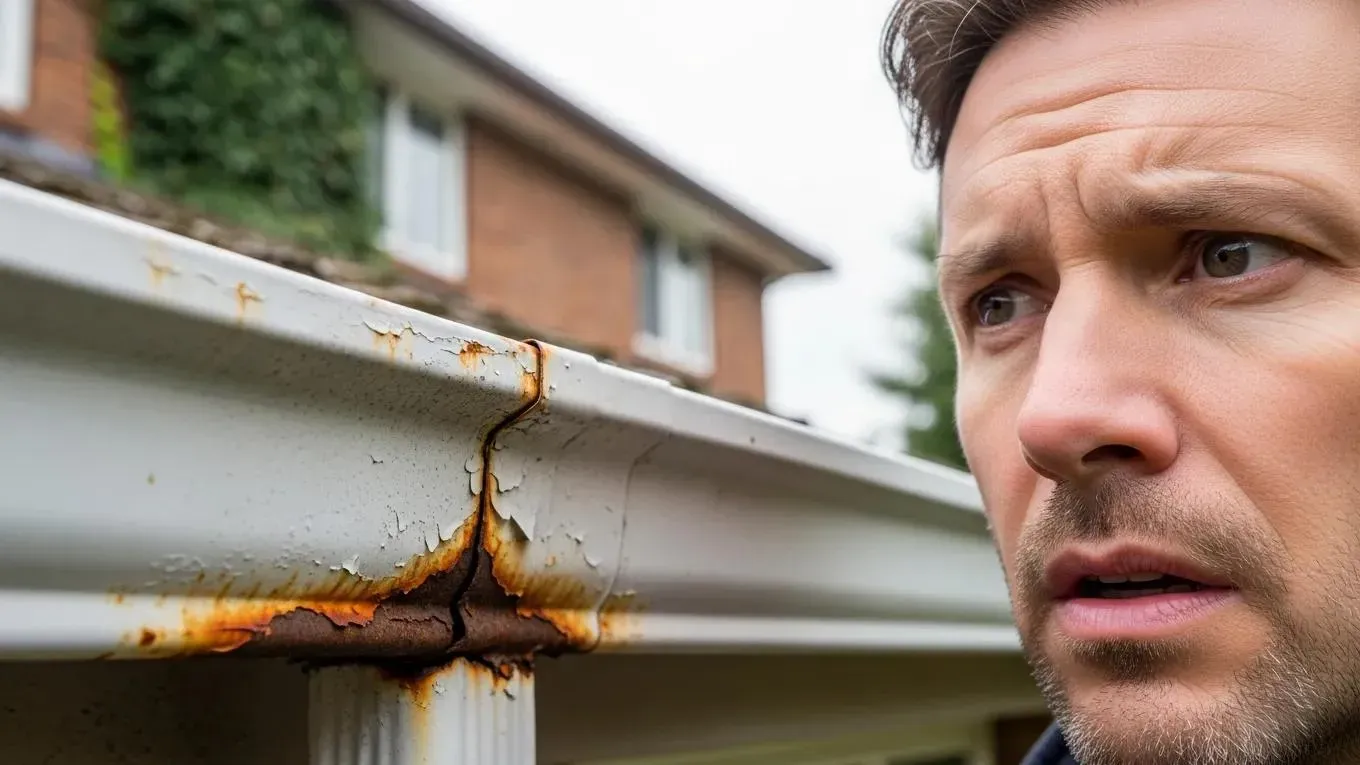
Sagging or deformation in gutters is often a clear indicator that they need attention. If your gutters appear to be bowing or pulling away from the home, this can impair their functionality, allowing water to overflow or collect in unintended areas. Observing these physical shifts can help you decide when it's time for a replacement.
What Does Gutter Leakage Indicate About Replacement Needs?
Gutter leakage often signals significant underlying problems. It may occur due to clogs, deterioration, or an improper pitch that prevents adequate water flow. This leakage can lead to water damage on your home's exterior and foundation, emphasizing the need for replacement.