

Top Risks of Delaying Gutter Replacement for Your Home
Insured
Emergency services
Top Risks of Delaying Gutter Replacement: Protect Your Home and Investment Today
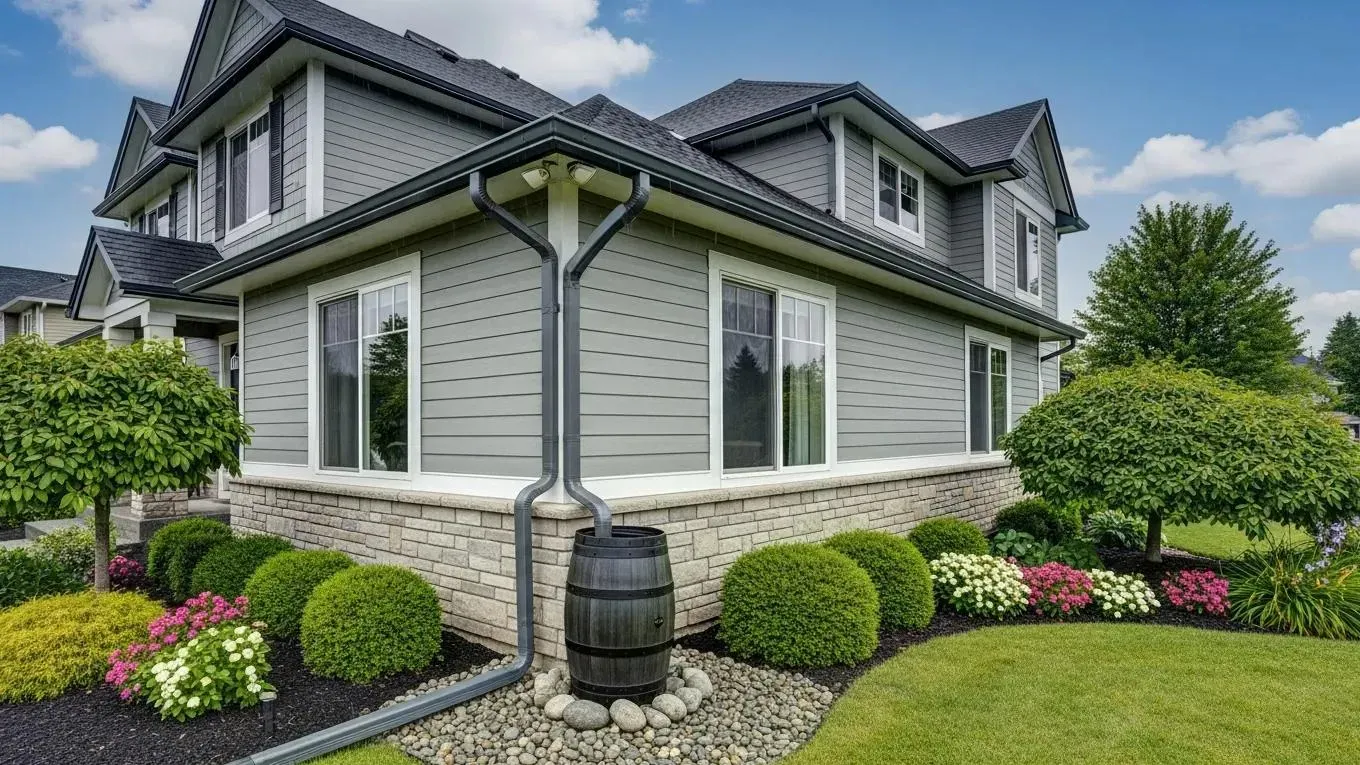
Delaying gutter replacement can expose homeowners to significant risks, both in terms of property damage and financial implications. When gutters fail to perform their function, water can pool around the foundation, leading to a myriad of problems. In this guide, we will explore the various risks associated with postponing gutter replacement. By understanding these risks, homeowners can make informed decisions to protect their property and investment. We will examine potential damage, financial consequences, health hazards, and effective maintenance strategies. Additionally, we will discuss how timely gutter replacement can contribute to a home's overall value and safety.
Potential Property Damage
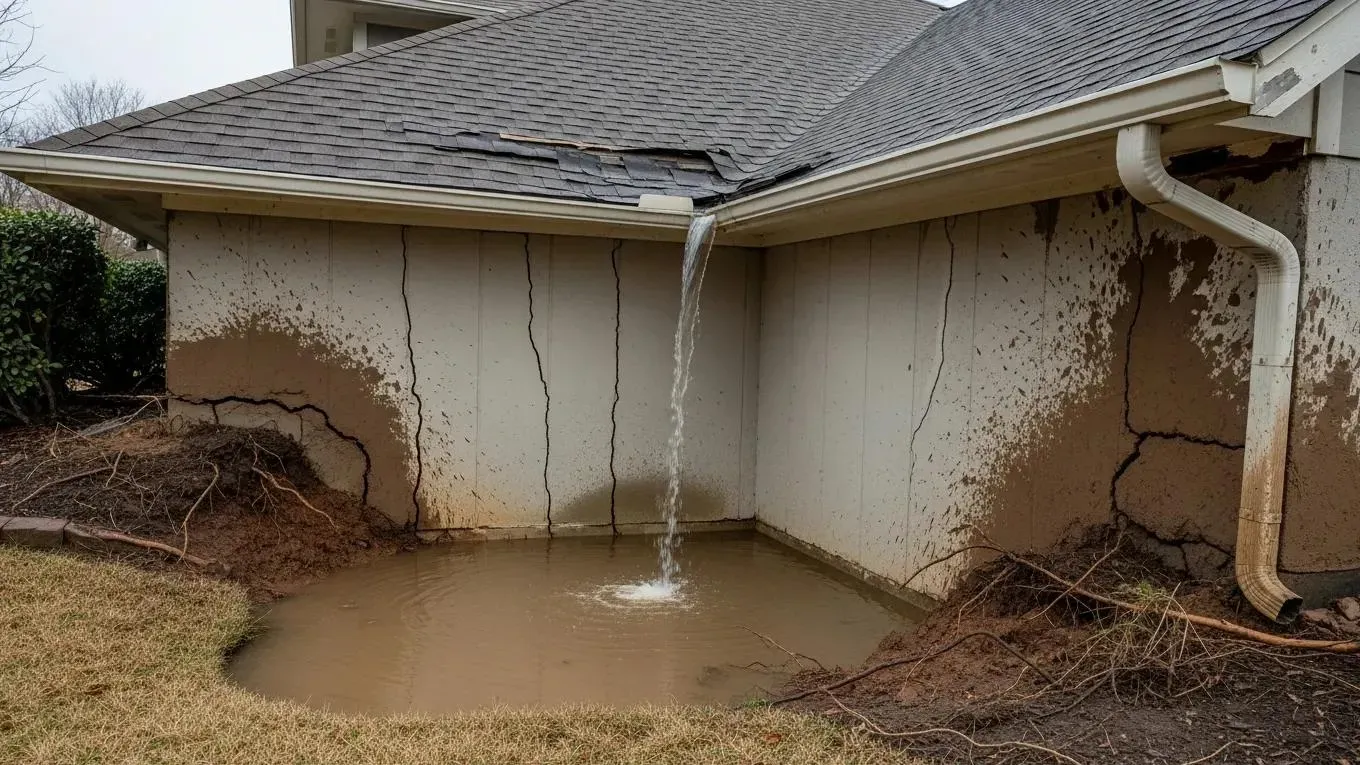
Neglecting gutter maintenance can lead to severe property damage. Poorly functioning gutters can cause water to overflow and pool around the foundation, leading to serious issues such as:
- Foundation Damage: Prolonged exposure to water can erode the foundation, creating cracks and instability.
- Roof Damage: Water can backflow and seep into roofing materials, resulting in costly repairs.
- Landscaping Erosion: The overflow can wash away soil and damage plants and trees, requiring costly landscaping repairs.
Homeowners should be aware that these issues escalate quickly, and taking immediate action can help prevent extensive damage.
Financial Implications
Delaying gutter replacement can lead to significant financial consequences. Here's a breakdown of the financial risks involved:
| Cost | Type of Repair | Description |
|---|---|---|
| $500 - $5,000 | Foundation Repair | Address issues related to settling and structural integrity. |
| $500 - $1,500 | Roof Repair | Fixing leaks and replacing damaged roofing materials. |
| $300 - $3,000 | Landscaping Restoration | Restoring washed away landscaping and fixing erosion problems. |
These potential costs highlight the importance of maintaining gutters to avoid costly repairs down the line. Homeowners in areas like NJ, PA, and CT should particularly consider how local weather can exacerbate these financial implications. For comprehensive information on ensuring your home's roof is in top condition, explore residential roofing installation.
Complete Roof Systems offers professional gutter replacement services to help homeowners avoid such financial pitfalls.
Health Hazards Related to Water Damage
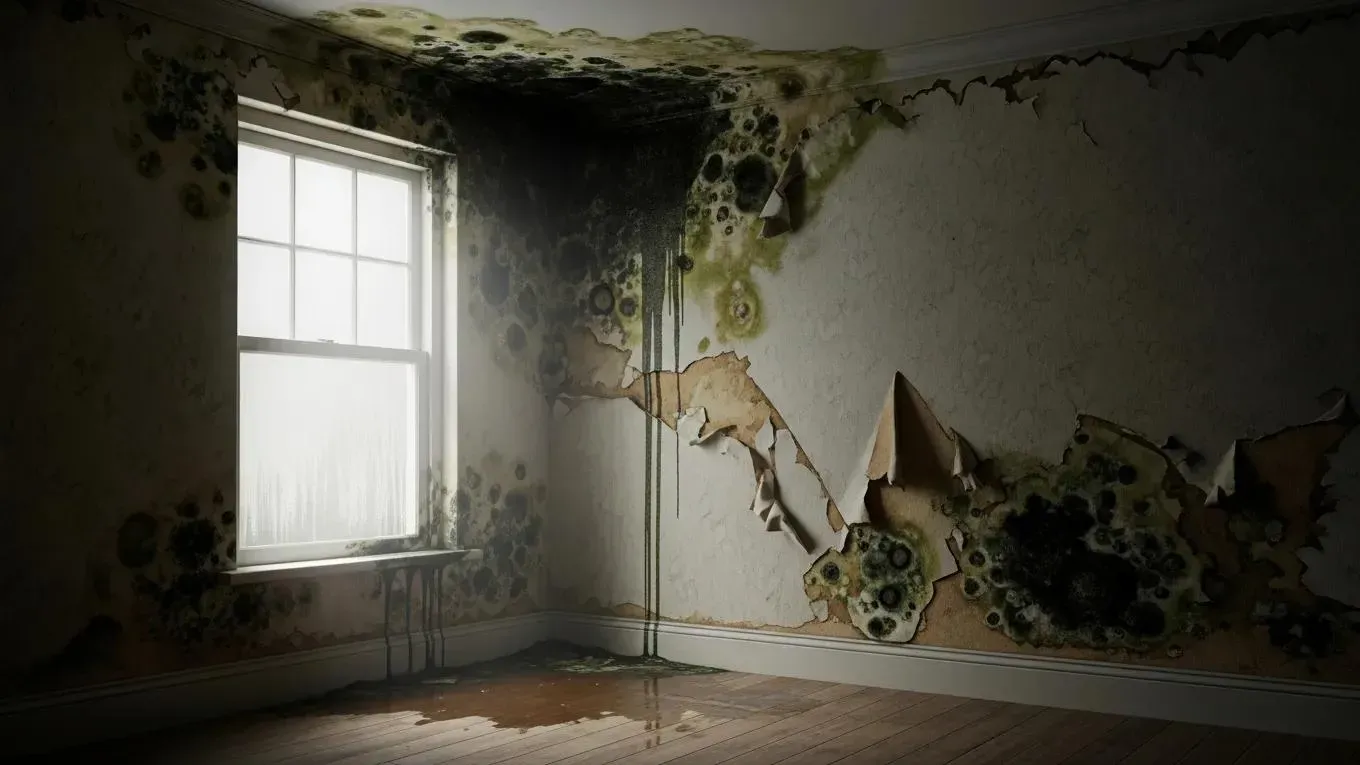
Water damage from neglected gutters can create numerous health hazards. One of the most pressing concerns is the growth of mold, which can lead to serious respiratory issues. Other health risks associated with water damage include:
- Mold Growth: Prolonged dampness creates ideal conditions for mold proliferation, impacting indoor air quality.
- Structural Safety Risks: Wood rot can weaken the structural integrity of your home, posing safety risks to inhabitants.
- Unpleasant Odors: Accumulation of water and organic materials can lead to foul odors, indicating poor indoor air quality.
Taking proactive measures, such as regular inspections and timely gutter replacement, can mitigate these risks.
Health Risks from Mold in Water-Damaged Homes
1. Health problems and illnesses encountered by unprotected workers, first-responders, home-owners, and volunteers in recovery and restoration of moldy indoor environments after hurricanes, typhoons, tropical storms, and flooding damage are a growing concern for healthcare providers and disaster medicine throughout the world. Damp building materials, particularly cellulose-containing substrates, are prone to fungal (mold) and bacterial infestation. During remediation and demolition work, the airborne concentrations of such microbes and their by-products can rise significantly and result in an exposure risk. Symptoms reported by unprotected workers and volunteers may relate to reactions of the airways, skin, mucous membranes, or internal organs. Dampness-related fungi are primarily associated with allergies, respiratory symptoms or diseases such as dermatitis, rhinosinusitis, bronchitis, and asthma, as well as changes of the immunological system. Also, cognitive, endocrine, or rheumatological changes have been reported. Based on the consensus among experts at a recent scientific conference and a literature review, it is generally recommended to avoid and minimize unnecessary fungal exposure and use appropriate personal protective equipment (PPE) in disaster response and recovery work. Mycologists recommend addressing any moisture or water intrusion rapidly, since significant mold growth can occur within 48 h. Systematic source removal, cleaning with “soap and water,” and “bulk removal” followed by high-efficiency particulate air vacuuming is recommended in most cases; use of “biocides” should be avoided in occupied areas. Public health agencies recommend use of adequate respiratory, skin, and eye protection. Workers can be protected against these diseases by use of dust control measures and appropriate personal protective equipment. At a minimum, a facial dust mask such as the National Institute for Occupational Safety and Health (NIOSH)-approved N95 respirator shoul Review of health hazards and prevention measures for response and recovery workers and volunteers after natural disasters, flooding, and water damage: mold and …, E Johanning, 2014
Effective Preventative Maintenance Strategies
Effective preventative maintenance is essential for reducing the risk associated with gutter neglect. Here are some strategies homeowners can utilize to keep their gutters in optimal condition:
- Regular Cleaning: Ensure gutters are cleared of debris at least twice a year to prevent clogs.
- Routine Inspections: Conduct thorough inspections, especially after heavy rain or storms, to check for damage or breeding clogs.
- Install Gutter Guards: Utilizing gutter guards can significantly reduce the accumulation of leaves and debris, ensuring smoother water flow.
What Are the Common Signs You Need New Gutters?
Recognizing the signs that indicate it’s time for new gutters is crucial for maintaining your home. Look for the following indicators:
- Visible Sagging: If the gutters begin to sag, it may indicate that they cannot support the weight of accumulated debris and water.
- Leaks During Rain: If you notice leaks, it’s a clear sign that your gutters are failing to channel water properly.
- Water Pooling: Water pooling at the base of your home is a sure indicator of overflowing or malfunctioning gutters.
How Does Gutter Clogging Impact Your Home's Exterior?
Clogged gutters can have a detrimental impact on your home's exterior. Some consequences include:
- Roofing Damage: Water can seep onto your roof, leading to potential leaks and damage to roofing materials.
- Erosive Landscaping: Overflowing water can erode landscaping and soil, resulting in costly repairs.
- Foundation Problems: Continuous overflow can lead to water accumulation around the home's foundation, risking structural integrity.
How Does Delaying Gutter Maintenance Affect Repair Costs and Property Value?
Delaying gutter maintenance not only results in increased repair costs but can also dramatically impact the property's value. Homebuyers tend to be wary of homes with visible signs of water damage, which can lead to:
- Increased Financial Burdens: Homeowners may face substantial repair costs if neglect leads to severe water damage.
- Diminished Home Appeal: Visible damage can reduce the overall appeal of the home, making it harder to sell.
- Overall Impact on Investment Value: Prolonged neglect can decrease the market value of your home, subtracting from your overall investment.
Timely maintenance and replacement are crucial for maintaining property value and ensuring a safe living environment.
What Is the Cost Comparison Between Gutter Repair and Replacement?
When considering gutter services, it's essential to evaluate whether repair or replacement is the better option financially. Typically, repairs might seem less expensive initially; however, they can lead to higher costs if they fail to address underlying issues. For more information on maintaining the outermost layer of your home, consider residential roofing installation.
- Average Repair Costs: Repairs might range from $150 to $400, depending on the type of damage.
- Replacement Costs: Full gutter replacement typically ranges from $1,500 to $3,000.
Investing in new gutters may seem more expensive upfront, but it can save homeowners money through lower repair costs in the long run.
How Can Untimely Gutter Replacement Reduce Your Home's Market Value?
Untimely gutter replacement can severely impact a home's market value. Key factors include:
- Visible Signs of Neglect: Homes that show signs of poorly maintained gutters may turn potential buyers away, creating less interest.
- Long-term Damage: Long-term damage to the foundation and structure caused by neglect can seriously devalue the property.
- Curb Appeal: A lack of functional gutters can distract from the home's aesthetic appeal, negatively impacting overall marketability.
Homeowners in NJ, PA, and CT should consider that addressing gutter issues promptly contributes significantly to maintaining or increasing property value.
Why Is Timely Gutter Replacement Crucial for Homes in NJ, PA, and CT?
In regions like NJ, PA, and CT, where rainfall can be significant, timely gutter replacement becomes even more critical. The intense weather patterns can cause:
- Increased Rainfall Impact: More frequent heavy rains can overwhelm existing gutter systems, leading to rapid deterioration.
- Regional Environmental Factors: Local flora can clog gutters more quickly, necessitating more frequent maintenance.
- Connection to Property Values: Proper gutter management ties directly to property values in these areas, making it essential for homeowners to stay ahead of maintenance.
How Does Increased Northeast Rainfall Influence Gutter Functionality?
Increased rainfall in the Northeast significantly impacts gutter functionality. Homeowners must be aware of how excessive moisture can create overflow conditions that lead to:
- Frequent Clogs: Higher amounts of debris washed into gutters can lead to more frequent clogging.
- Potential Structural Damage: Without proper drainage, homes experience water intrusion problems that threaten the structural integrity.
- Ongoing Maintenance Costs: Increased rainfall leads to a heightened need for consistent upkeep to ensure gutters function properly.
What Local Regulations and Best Practices Should Homeowners Follow?
Homeowners should be aware of local regulations and best practices for gutter maintenance, including:
- Building Codes Compliance: Ensure gutter systems comply with local building codes to avoid potential fines.
- Best Seasonal Maintenance Practices: Adopt seasonal cleaning and inspection routines to ensure gutters are functioning properly.
- Importance of Regular Maintenance: Regular maintenance not only ensures safety but also protects property values.
By adhering to these regulations and best practices, homeowners can safeguard their properties against the consequences of neglecting their gutter systems.